
Atomic Habits Review - Worth the Read or Just Hype?
James Clear's book provides a practical system for habit change rather than just empty theories.
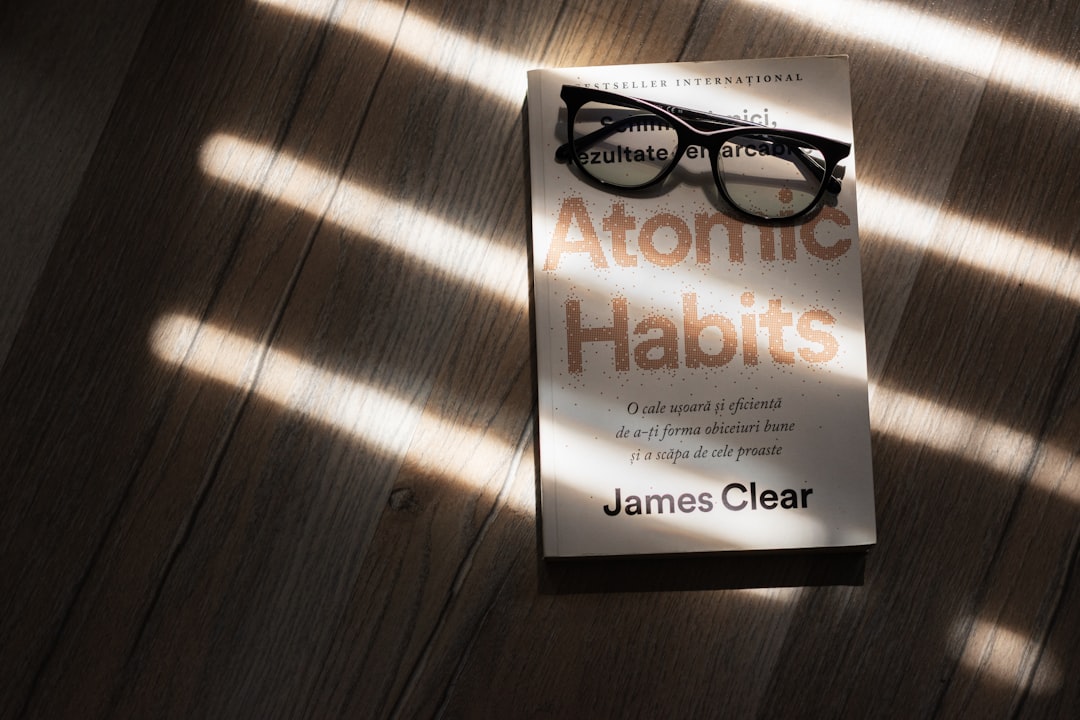
If you wander around bookstores or check the Amazon rankings, you’ll see Atomic Habits consistently sitting at the top. Sometimes, extreme popularity makes me skeptical about whether a book is actually good or just the product of a massive marketing machine.
What is Atomic Habits really about?
Published by James Clear in 2018, this book quickly became a global phenomenon. According to the information on jamesclear.com, the core content revolves around an incredibly simple philosophy: focusing on getting 1 percent better every day.
Instead of aiming for grand goals, the book advises us to build tiny systems. (It sounds a bit counterintuitive, but let me explain.) If you want to clean your workspace, that’s a goal. If you create a habit of putting things away immediately after use, that’s a system. The book provides a specific toolkit for you to build and maintain that system yourself.
The Real Strength: Systematization over Invention
Inheriting and Improving
According to the English Wikipedia page for Atomic Habits (en.wikipedia.org/wiki/Atomic_Habits), many ideas in the book aren’t entirely new. James Clear inherited a lot from Charles Duhigg’s The Power of Habit published in 2012, as well as the behavioral research of BJ Fogg.
However, the value of the book doesn’t lie in creating brand-new theories. It lies in how the author systematizes everything into four clear laws: make it obvious, make it attractive, make it easy, and make it satisfying.
Identity is More Important than Results
a great idea that is often overlooked when people summarize this book is the shift in identity. Instead of saying “I want to lose 5kg,” shape your mindset as “I am a runner.”
This difference is crucial. When you Dùng nhiều AI vẫn burnout: Nghịch lý năng suất, the problem often lies in forcing yourself to chase a massive workload instead of building the identity of a methodical worker. When your identity changes, your actions follow automatically.
When does this book fail?
Misguided expectations about time
Many people think that after reading the book, their habits will change instantly. In reality, the 1 percent compounding principle requires a significant amount of time to show clear results. If you are looking for a quick fix for laziness, this book will disappoint you.
| Criteria | Atomic Habits | The Power of Habit | Notes |
|---|---|---|---|
| Author | James Clear (2018) | Charles Duhigg (2012) | Clear inherited the core theories |
| Focus | 4-step practical system | Science and brain mechanisms | Atomic is easier to apply immediately |
| Applicability | Very high, specific guides | Medium, analytical focus | Duhigg is better for deep research |
How to use it effectively for Techies
Instead of Second Brain: Đừng gom rác, hãy tạo ra kết quả by storing digital junk mindlessly, you can use James Clear’s principles to build a selective note-taking habit.
- Make it obvious: Place your note-taking app right on your computer or phone home screen.
- Make it attractive: Use a tool with a minimal, beautiful UI and fast response time.
- Make it easy: Just type a simple line of text; don’t worry about complex formatting or folder structures at the start.
- Make it satisfying: Spend five minutes at the end of the week reviewing your neatly organized list of ideas.
Frequently Asked Questions
Is this book actually original?
Not exactly. As I’ve analyzed based on various sources, its core is an inheritance from Charles Duhigg and BJ Fogg. However, the way James Clear repackages it is excellent—coherent and easy to apply to daily life.
Do I need to read it from cover to cover?
You can definitely read the first part about identity carefully, then skim through the chapters analyzing the four laws of habit formation. The examples can be skimmed if you’ve already grasped the author’s main point.
Is the 1 percent principle exaggerated?
Mathematically, it certainly compounds quickly. But in reality, life has many variables that prevent you from maintaining a perfect streak every day. The most important thing the book conveys is not giving up when your habit chain is interrupted.
Conclusion
Reading self-help books often brings a surge of motivation for the first few days. Atomic Habits is different because it forces you to look directly at the smallest details of your daily routine. It’s not a book full of magic tricks. It’s more like a clear architectural blueprint. You have a good drawing, but how the “habit house” is built still depends entirely on whether you are willing to pick up each brick every single day.