
A 14-Inch Hole Swallowed an Entire Lake
A tiny drilling error created a catastrophic whirlpool that completely drained Louisiana's Lake Peigneur in a matter of hours.
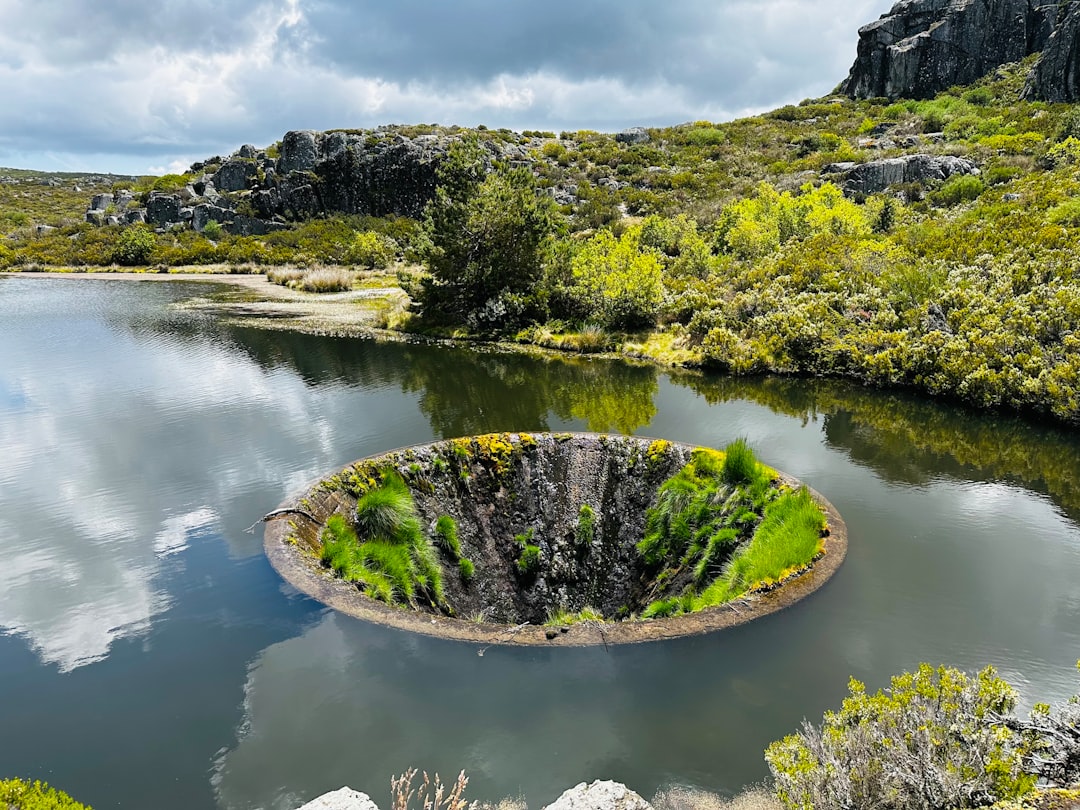
A Quiet Morning in Louisiana
What most people picture when they imagine a catastrophe is a massive explosion or a raging fire. But on a quiet Thursday morning in 1980, the complete destruction of a Louisiana lake began with nothing more than a 14-inch drill bit.
It is November 20. A Texaco oil rig is positioned on the calm, shallow waters of Lake Peigneur. The crew is drilling down into the muddy lakebed, hunting for a routine oil deposit.
Suddenly, the drill seizes up at about 1,200 feet down. The crew cannot pull the equipment free. Then they hear loud metallic pops, and the massive rig begins to tilt dangerously.
The workers abandon the platform and scramble to the shore. They watch in total disbelief as their multi-million dollar rig sinks entirely beneath the shallow water. But the rig vanishing was only the start of an event that defies logical explanation.
The Invisible City of Salt
To understand how a lake simply disappears, you have to look underneath it. Directly beneath Lake Peigneur sat the Diamond Crystal Salt Company mine.
This was a massive subterranean network of caverns, some as tall as a four-story building. The Texaco crew had unknowingly pierced the roof of one of these active caverns.
Fourteen inches sounds like a tiny puncture. But freshwater dissolves salt with terrifying speed. The water rushing into the mine ate away at the massive salt pillars supporting the lakebed above.
The hole grew from 14 inches to a massive crater in mere hours. The resulting whirlpool sucked down barges, trees, and 65 acres of surrounding land. It was a catastrophe born of a simple coordinate mix-up, reminding us how The Missing Math That Doomed A Spaceship also proved that tiny mapping errors can have devastating consequences.
Reversing the Gulf of Mexico
The sheer volume of water pouring into the earth created a vacuum effect that altered the local geography. Lake Peigneur was connected to the Gulf of Mexico by a small waterway called the Delcambre Canal.
Normally, the lake flowed out through the canal into the ocean. But the drain was so powerful it reversed the flow of the canal completely. Saltwater from the Gulf of Mexico rushed backward into the sinking lake.
This created a temporary 164-foot waterfall, the largest in the history of Louisiana. The numbers sound impossible until you check the physics. The sheer force of an ocean flowing backward to fill a collapsing salt mine is staggering to comprehend.
The Great Escape
While the surface was turning into a violent maelstrom, a very different nightmare was unfolding underground. There were 55 miners working deep inside the salt caverns when the drill broke through.
An electrician named Junius Gaspard heard a loud, unnatural screeching sound. He quickly realized water was flooding the mine and raised the alarm. The miners executed a desperate evacuation completely in the dark as the facility lost power.
They drove their carts through rising water to the main elevator shafts. Miraculously, all 55 miners made it to the surface. Just as the last elevator car arrived, the shaft below them collapsed entirely.
A Changed World
By the time the violent whirlpool stopped, the local ecosystem was permanently altered. Lake Peigneur went from a shallow freshwater body to a deep saltwater lake.
The Lake Peigneur disaster swallowed over three billion gallons of water. It also claimed eleven barges, a tugboat, and the entire botanical garden that sat on the shore. Not a single human life was lost that day, a detail that feels too lucky to be true given the scale of the destruction.
It shows how fragile our engineered world really is. We often trust our instruments blindly. Much like how The Mistake That Erased $125 Million happened because of unverified numbers, the Texaco crew trusted a flawed map right up until the earth swallowed them whole.
When you look out over a calm lake today, you might assume the ground beneath it is solid and eternal. But how well do we really know what lies just below the surface?