
The Astronaut Erased From History
A Parisian stray cat went to space and survived, only to be completely forgotten by the world.
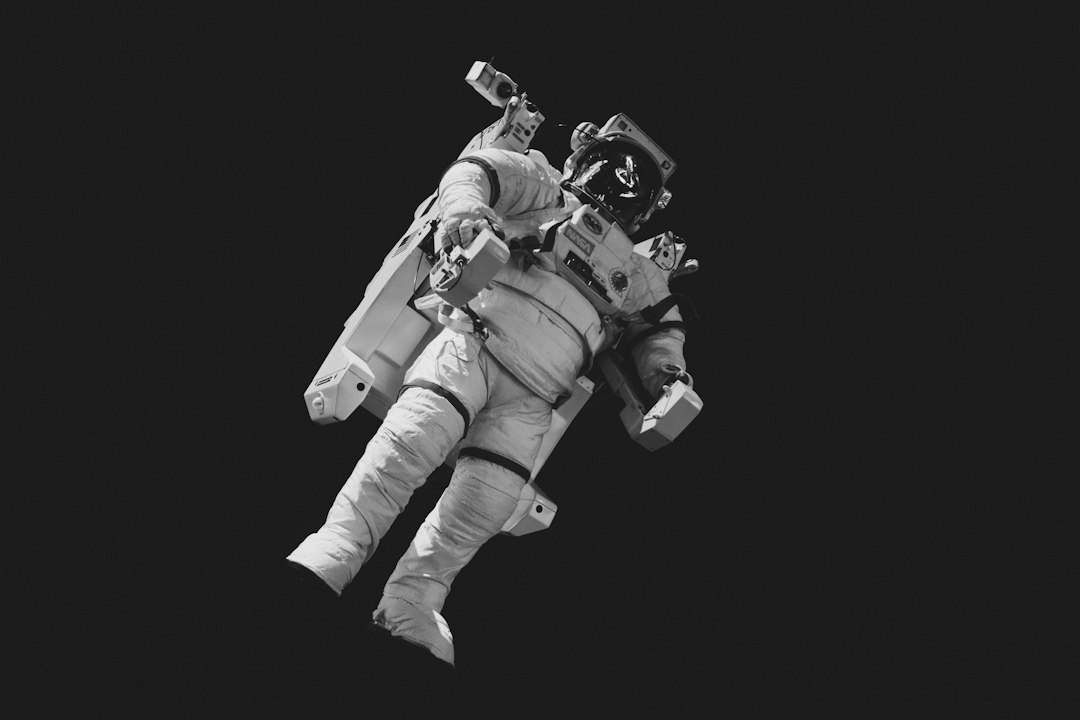
What most people think they know about the early space race is completely wrong. You have probably heard of Laika the Russian dog. You might even know about Ham the American chimpanzee. But the only feline to ever survive a trip to the stars was a black and white Parisian stray who was deliberately erased from our collective memory.
Her name was Félicette. In 1963, she traveled 98 miles above the Earth, experienced true weightlessness, and returned alive. Yet, her own government later replaced her face on official postage stamps with a male cat that never existed.
Plucked From the Streets
In the early 1960s, France was desperate to prove it was a serious player in space exploration. While the United States and the Soviet Union were sending dogs and primates into orbit, the French space program took a totally different route. They decided to use cats.
Scientists gathered up 14 stray female cats from the streets of Paris. The numbers sound made up. It seems impossible that researchers would just round up random alley cats for a rocket launch, but they absolutely did.
These felines were put through a rigorous astronaut training program. They were spun in high-speed centrifuges to simulate intense gravitational forces. They were locked in compression chambers. They even had to listen to simulated rocket noises for hours on end to test their nerves.
Félicette, originally known only as “C 341”, stood out from the rest of the pack. She was incredibly calm under pressure. While other cats panicked or gained too much weight, she maintained a perfectly steady demeanor.
But the scientists needed to monitor her brain during the flight. To do this, they surgically implanted a series of electrodes directly into her skull. This allowed them to record her neurological activity in real time as she shot into the atmosphere.
The Brief Taste of Zero Gravity
On the morning of October 18, 1963, Félicette was strapped into a special capsule. She was loaded onto a Véronique AG1 rocket at a remote launch site in the Algerian Sahara.
At exactly 8:09 AM, the massive engines ignited. Félicette blasted off into the sky, experiencing crushing physical forces. The rocket reached an altitude of nearly 100 miles, crossing the Karman line and officially entering outer space.
For about five minutes, this former Parisian stray experienced complete weightlessness. She was floating higher than any cat had ever gone. Then, the capsule detached and began its rapid descent back down to Earth.
Her parachute deployed perfectly. Just thirteen minutes after launch, she touched down safely in the desert dirt. A helicopter recovery team found her alive and well.
But wait - if she survived and made literal history, why does every textbook ignore her?
Written Out of the Stars
The aftermath of her successful flight is a dark chapter. Just two months after returning as a national hero, Félicette was quietly euthanized. The researchers wanted to extract her brain to study the physical effects of spaceflight on her neurological tissue.
She gave everything for science, only to be completely forgotten. When former Soviet colonies issued stamps to commemorate her flight in the 1990s, they made a massive historical error. They depicted a male cat named Felix. Felix never went to space.
This kind of historical revisionism is chilling. It echoes the quiet disappearances discussed in The 100,000 People Erased From Maps. History is often scrubbed clean by those holding the pen, leaving the true pioneers in the shadows.
We often suffer from The Strange Illusion of Certainty, assuming our history books tell the complete story of human achievement. We assume that if someone did something incredible, we would surely know their name.
Félicette was a stray cat who beat the odds, survived a rocket launch, and paved the way for modern space medicine. Yet, she was tossed aside the moment she was no longer useful.
If a space pioneer can be so easily overwritten by a fictional male counterpart, what other incredible historical achievements have we simply failed to remember?