
The Hidden Clock Controlling the Internet
Discover the bizarre biological and historical reasons behind the exact moment the entire world decides to click.
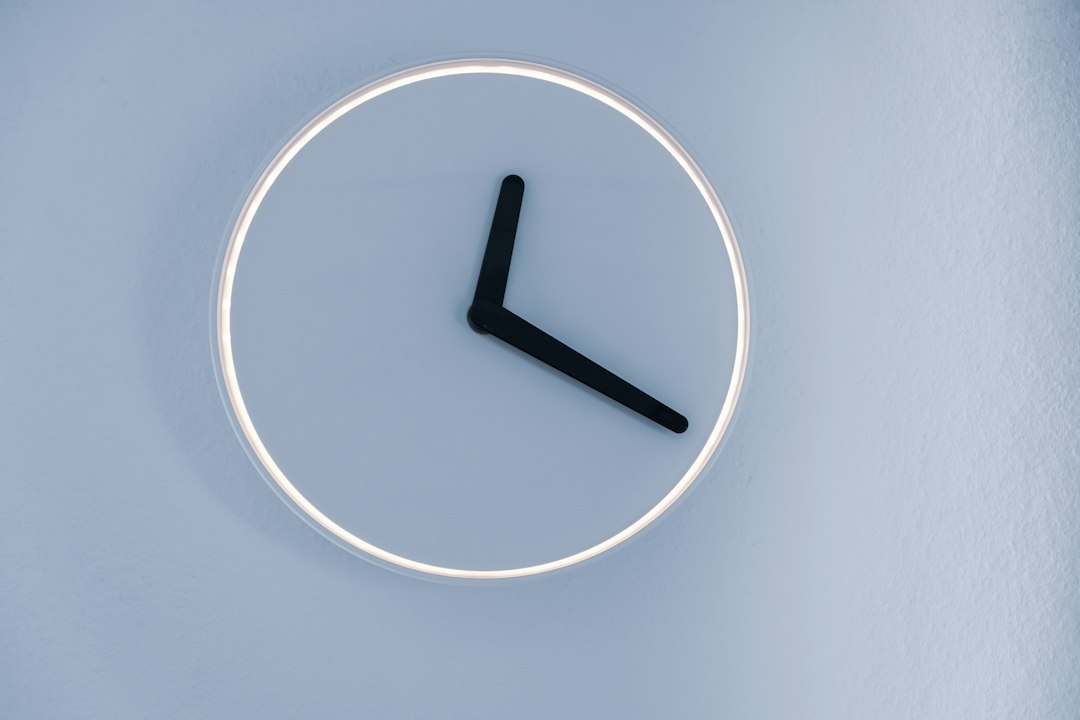
The Biological Peak
What most people think is the ideal moment to share information online is completely wrong. You might assume the best time to publish a video or article is Friday night when everyone is relaxing at home. The data shows the exact opposite. The peak moment of global internet engagement happens during a massive collective cortisol spike at roughly 9:30 AM on Tuesdays and Wednesdays.
This is not a random coincidence. It is a deep biological rhythm that tech platforms have secretly mapped and monetized. During this mid-morning window, human brains are flooded with alertness hormones. We are highly susceptible to new information and desperate for a quick hit of dopamine to break up the morning routine.
The numbers sound made up. They aren’t - and that’s what makes this story so unsettling. According to global engagement studies across major networks, content published in this exact window generates up to 30 percent more interaction than the exact same content posted on a Sunday afternoon. We are essentially biological clockwork, and the algorithms know exactly when our gears are turning fastest. To understand why this happens, you have to look at the suprachiasmatic nucleus. This is the tiny region in your brain that acts as your master clock. It controls your circadian rhythms, dictating when you feel tired and when you feel focused.
By Tuesday morning, your master clock has fully recovered from the chaotic sleep schedule of the weekend. Your cortisol levels peak right as you sit down at your desk. You are alert, but you are also biologically primed to seek out distractions.
The Invention of Prime Time
The concept of mapping this attention didn’t start with modern apps. It began with the standardization of time itself. Before railways connected the world, every town had its own local time. When train networks expanded, they forced the invention of standard time zones to keep schedules running smoothly.
Much like how a simple cartographic mistake can alter our perception of geography - seen in The Map Error That Fooled the World - this new standardized clock altered human behavior. Suddenly, millions of people were waking up, eating, and working at the exact same moment.
Broadcasting networks in the mid-20th century were the first to exploit this synchronization. They studied work shifts and dinner habits to invent the concept of prime time television. Today, digital algorithms do the exact same thing, but with a level of precision that borderlines on surveillance.
The Algorithmic Feedback Loop
Historical data tracked by organizations like the Pew Research Center on internet usage confirms these rigid patterns. The data reveals that our digital lives are far less spontaneous than we believe. We log on, click, and share in predictable, massive waves.
There is also a terrifying feedback loop at play. Because marketing experts know that Tuesday morning is the biological peak of attention, everyone schedules their biggest posts for that exact hour. The platforms are flooded with fresh, high-quality media.
The algorithm sees this massive influx of data and pushes it out to users who are just opening their phones. This creates a self-fulfilling prophecy. The ideal time to post becomes locked into the system, an unbreakable cycle driven by both human biology and machine learning.
Manufactured Spontaneity
Massive corporations do not leave their product launches to chance. They weaponize this data to ensure maximum viral spread. It is a calculated manipulation of mass psychology, not unlike the highly engineered strategies used to manufacture The Billion-Dollar Fake Birthday.
The concept of a best publish time is not just a digital marketing trick. It is a digital mirror reflecting our shared biological programming. We like to think of the internet as a chaotic and unpredictable ocean of ideas.
Are we really making our own choices online, or are we just clicking when our biology and the machines tell us it is time?