
The Pragmatic Programmer: Still Relevant in 2026?
A pragmatic look at this coding classic as AI fundamentally transforms the way we write software.
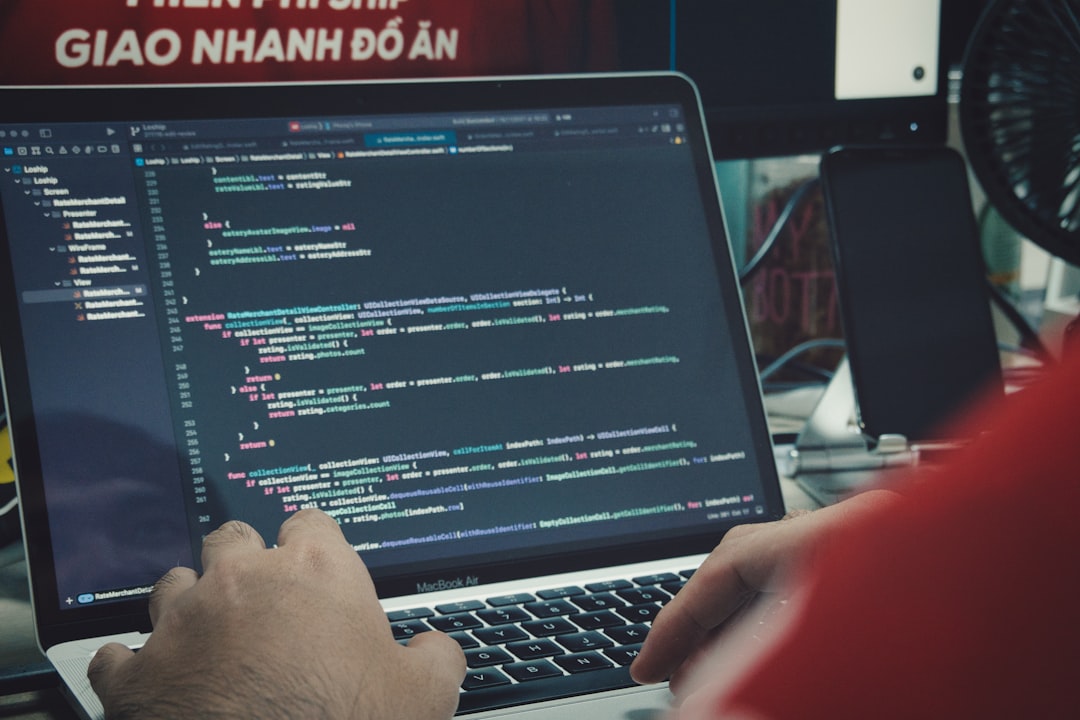
Last week, while reviewing a pile of code automatically generated by Windsurf for a legacy project, I happened to spot my dust-covered copy of The Pragmatic Programmer on the shelf. I wondered if the advice in there still holds any value now that AI handles 80% of our typing.
Classics Meet a New Reality
In 1999, Dave Thomas and Andy Hunt wrote this book to shape the mindset of programmers. It was once the “bible” that every senior forced newcomers to read.
But it is now late April 2026. With the emergence of Claude Sonnet 4.6 and GPT-5.2, writing code from scratch has become a secondary skill. We are now more like editors than writers.
The “Pragmatic” mindset of 25 years ago is showing clear cracks when applied to modern software development workflows.
Chapters That Have Completely “Expired”
Most people still advise juniors to read this book from cover to cover, but here’s why I think otherwise. Forcing a young programmer to learn how to write bash scripts for bulk file renaming today is a terrible waste of time.
The Obsession with Manual Automation
The book advises spending time learning shell script, awk, and sed to automate repetitive tasks. This advice used to be spot on. Now, you just throw the requirement into Cursor, and it’s done in 5 seconds. Writing those scripts by hand doesn’t make you better; it just makes you slower.
The DRY Principle Trap
DRY (Don’t Repeat Yourself) used to be an absolute truth. But with AI, sometimes copying a block of code and letting the AI refine it is much faster than spending 3 hours designing a perfect abstraction. Trying to make code too “DRY” often leads to AI Code Tool: Nhanh hơn hay chỉ đẻ thêm nợ kỹ thuật? because AI struggles to understand complex, human-designed layers of abstraction.
Core Values That Still Survive
Not everything in the book should be discarded. There are things AI simply cannot do for you.
Mindset of Ownership and Responsibility
Even if AI writes the code, you are still the one responsible when the system crashes at 2 AM. The advice “Provide Options, Don’t Make Lame Excuses” remains as sharp as ever. AI can generate bugs, but letting those bugs reach production is your fault.
Architectural Design and Decoupling
Current AI is great at writing individual functions, but it often gets confused when designing the overall architecture. If you don’t understand “Decoupling” (minimizing dependencies) as mentioned in the book, AI will spawn a massive pile of unmaintainable spaghetti code for you.
Buy The Pragmatic Programmer (20th Anniversary Edition) on Amazon
Pragmatic 1999 vs. Pragmatic 2026
| Criteria | Book Advice | 2026 Reality | Notes |
|---|---|---|---|
| Tooling | Master a single Text Editor | Master AI IDEs (Cursor, Windsurf) | Manual coding is slowly disappearing. |
| Automation | Write your own scripts (shell, python) | Use AI Agents for automation | AI is faster and has fewer syntax errors. |
| Debugging | Read logs, use manual debuggers | Toss the stack trace to Claude Sonnet 4.6 | Choosing the right tool is more important than manual tracing. |
| Responsibility | Programmer is 100% responsible | Programmer is 100% responsible | The only thing that never changes. |
How to Read This in 2026 Without Wasting Time
If you still want to buy and read it, apply the following strategy:
- Skip the Tooling section: Don’t read the chapters teaching how to use the terminal or text editors. They are useless now.
- Study Concurrency carefully: Multi-threading is still the thing AI gets wrong most often. You need to understand these fundamental theories.
- Focus on Mindset: Read the chapters on professional attitude, communicating with clients, and protecting code against unexpected changes.
- Update your cost mindset: Instead of calculating optimization for every byte of RAM, learn to optimize tokens. Read more Sonnet 4 hay Opus 4? Chọn đúng AI, đỡ tốn tiền for a realistic view on operational costs.
FAQ
Should Junior developers buy this book?
It shouldn’t be a priority. With that money, buy a month of an AI IDE subscription and learn how to prompt effectively. You can borrow this book from a library or read a summary online.
Is it better than Clean Code?
Yes. It is much less dogmatic and far more pragmatic than Clean Code. Dave Thomas doesn’t force you to follow rigid rules to an extreme degree.
Will the book help me pass a System Design interview?
No. This book is about the mindset of writing code and working, not a deep-dive resource for designing distributed systems.
Conclusion
The Pragmatic Programmer is a monument, but monuments usually stand still while the world moves on. Don’t treat it as your daily handbook anymore. View it as a museum preserving the core philosophies of the software industry—beautiful to look back on, but not always what you should use to build a house in the age of LLMs.