
Cú nhảy bí mật của phi hành gia đầu tiên
Yuri Gagarin là người đầu tiên vào không gian, nhưng cuộc hạ cánh của ông lại ẩn chứa bí mật. Tại sao ông không tiếp đất cùng con tàu?
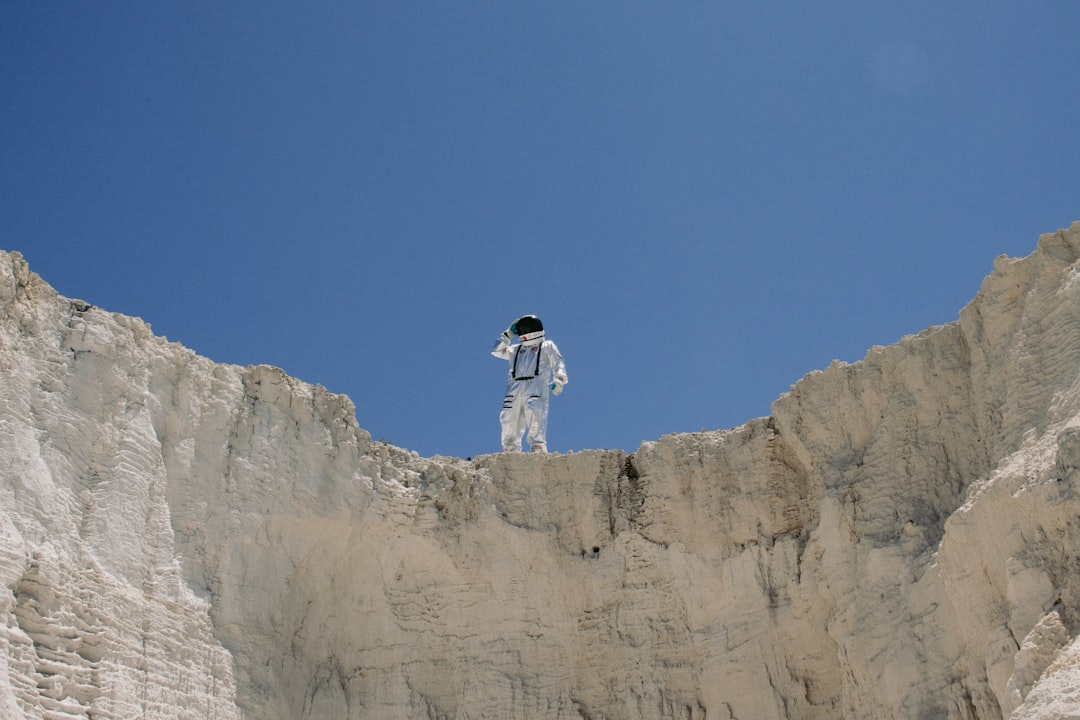
Thực tế, người đầu tiên bay vào không gian, Yuri Gagarin, đã không hạ cánh bên trong con tàu vũ trụ của mình. Trong hơn một thập kỷ, Liên Xô đã cẩn thận che giấu một chi tiết quan trọng về chuyến bay lịch sử năm 1961 này: Gagarin đã bung ghế thoát hiểm khỏi khoang tàu Vostok 1 ở độ cao 7 km và nhảy dù xuống đất riêng biệt. Đây không phải là một sự cố; đó là một phần của thiết kế.
Câu chuyện chính thức, được thêu dệt để được thế giới công nhận và ghi vào kỷ lục, khẳng định rằng Gagarin đã hạ cánh an toàn bên trong tàu Vostok 1. Sự dối trá được tính toán kỹ lưỡng này là cần thiết để tuân thủ các quy định của FAI (Liên đoàn Hàng không Quốc tế), vốn quy định vào thời điểm đó rằng một phi công phải hạ cánh cùng với con tàu của họ thì chuyến bay mới được công nhận đầy đủ là một chuyến bay vào không gian.
Nhưng sự thật phức tạp hơn nhiều, và thành thực mà nói, nó nguy hiểm hơn nhiều. Khoang tàu Vostok, dù có khả năng đưa con người lên quỹ đạo, lại không được thiết kế để hạ cánh an toàn cho con người. Module hạ cánh của nó, một khối cầu nặng hơn hai tấn, sẽ va chạm với mặt đất với lực tương đương một mảnh thiên thạch nhỏ.
Một người ở bên trong sẽ không thể sống sót sau cú va chạm đó. Hãy thử tưởng tượng: một khối cầu kim loại lao đi vun vút trong bầu khí quyển, rồi đâm sầm xuống Trái đất. Việc nó có thể đưa một ai đó vào không gian đã là một phép màu, chưa nói đến chuyện đưa họ trở về nguyên vẹn.
Vì vậy, các kỹ sư Liên Xô đã nghĩ ra một giải pháp khéo léo nhưng cũng không kém phần đáng sợ. Sau khi quay trở lại bầu khí quyển, khi khoang tàu đã giảm tốc độ đủ mức, Gagarin sẽ bị đẩy ra ngoài cùng với chiếc ghế của mình. Sau đó, ông sẽ rơi tự do trong một khoảng thời gian trước khi bung dù cá nhân và đáp xuống mặt đất như bất kỳ vận động viên nhảy dù nào khác.
Hãy tưởng tượng lòng can đảm đó. Là con người đầu tiên rời khỏi bầu khí quyển Trái đất, chứng kiến độ cong của hành tinh chúng ta, và rồi khi trở về, bị hất ra khỏi phi thuyền ở độ cao hàng dặm so với mặt đất, phó mặc mạng sống cho một chiếc dù để về nhà. Đó là minh chứng cho lòng dũng cảm phi thường của Gagarin và những biện pháp đầy táo bạo của thời kỳ đầu thám hiểm không gian.
Sự bí mật không chỉ liên quan đến những cuốn sổ kỷ lục. Đó còn là về niềm tự hào dân tộc, sự ganh đua trong Chiến tranh Lạnh và việc kiểm soát câu chuyện về năng lực công nghệ của Liên Xô. Việc thừa nhận rằng con tàu vũ trụ “tiên phong” của họ không thể để phi công hạ cánh an toàn có thể đã làm hoen ố ánh hào quang của thành tựu vĩ đại này.
Phải mãi đến năm 1972, hơn một thập kỷ sau chuyến bay, sự thật mới bắt đầu lộ diện. Chính người Xô Viết đã bắt đầu tiết lộ các chi tiết, thường là qua hồi ký và các kênh không chính thức, xác nhận việc nhảy dù thoát hiểm. Cuộc đua không gian đã kết thúc, và có lẽ nhu cầu giữ bí mật nghiêm ngặt như vậy cũng đã giảm bớt.
Chi tiết này thay đổi cách chúng ta nhìn nhận về chuyến bay mang tính biểu tượng đó. Đó không chỉ là một hành trình vào không gian; đó là một chuyến hạ cánh kép, một màn khiêu vũ nhịp nhàng của con người và máy móc, mỗi bên hoàn thành phần hành trình của mình một cách riêng rẽ. Việc Gagarin hạ cánh bằng dù cá nhân, điều vốn không được ca ngợi trong một thời gian dài, lại càng tô đậm thêm vị thế huyền thoại của ông.
Bạn nghĩ còn những bí mật nào khác vẫn đang ẩn giấu trong biên niên sử của ngành thám hiểm không gian, đang chờ được hé lộ?