
He Predicted the Century's Worst Shipwreck
Discover the eerie novella written over a decade before the Titanic disaster that predicted nearly every detail of the tragic sinking.
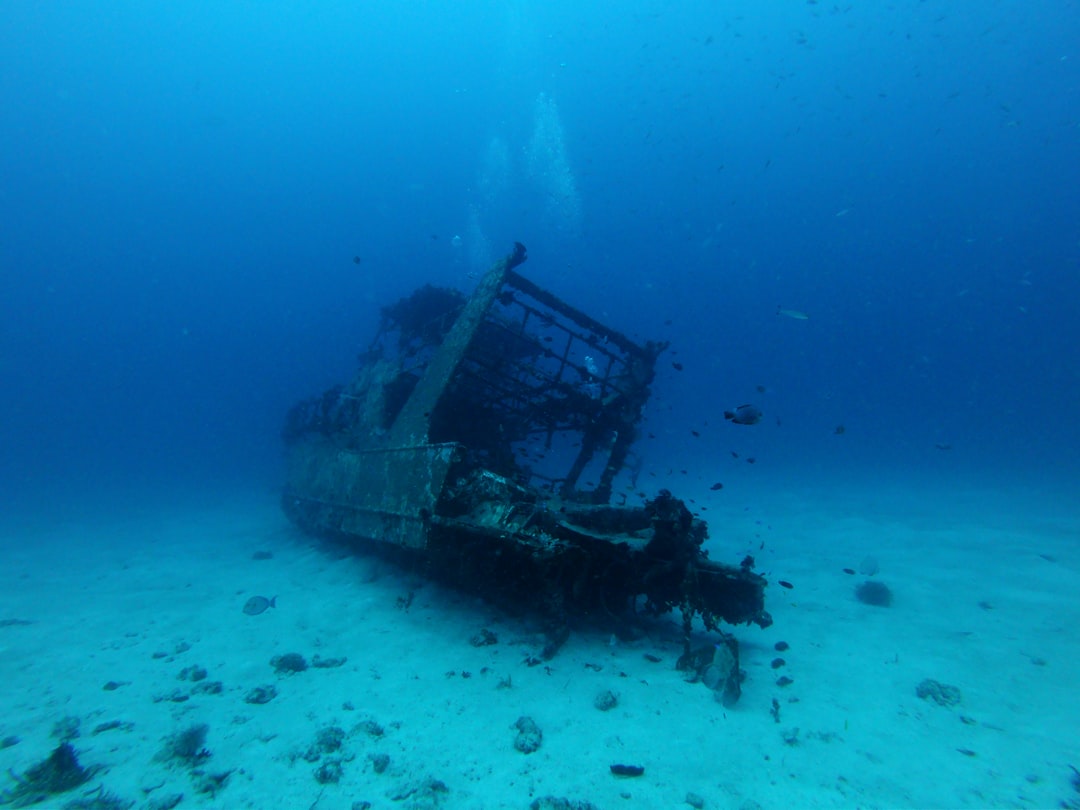
The truth is, fourteen years before the supposedly unsinkable Titanic struck ice, a struggling writer had already published its exact obituary.
In 1898, Morgan Robertson wrote a novella about an enormous, luxurious British ocean liner. The fictional ship measured 800 feet long. It was described as the greatest achievement of mankind and completely unsinkable. It carried a dangerous shortage of lifeboats. In the story, this massive vessel hits an iceberg in the North Atlantic on a cold April night. It sinks rapidly, taking most of its passengers into the freezing depths. The name of this fictional doomed ship? The Titan.
A Vision in the Fog
It is the late 19th century. Robertson is a former cabin boy who spent years at sea before trying to make a living through writing. He sits down to pen a story called Futility, hoping to craft a gripping tale about corporate greed and human hubris. Instead, he accidentally drafts a terrifyingly accurate blueprint of the future.
Let us look at the official numbers recorded by maritime historians. The fictional Titan was 800 feet long with a displacement of 75,000 tons. The real Titanic, launched over a decade later, was 882 feet long with a displacement of 66,000 tons. Both ships featured triple screw propellers. Both were traveling at incredibly dangerous speeds of roughly 22 to 25 knots when disaster struck.
Both ships also carried the bare minimum of lifeboats required by law. They carried just enough for a fraction of their elite passengers.
This level of predictive detail is staggering. It makes you wonder if Robertson tapped into some hidden current of time, sensing a disaster that had not yet materialized in the physical world.
The Science of Prophecy
Of course, skeptics and historians have a much more grounded explanation for this historical anomaly. Robertson was an experienced sailor. He knew the maritime trends of his era perfectly.
Shipping companies at the time were locked in a fierce competition to build massive, fast liners. Robertson also knew that British Board of Trade regulations for lifeboats were dangerously outdated. The laws were based on the weight of the ship, not the total passenger capacity. He simply looked at the trajectory of the shipping industry and followed it to its darkest logical conclusion.
Robertson essentially ran a mental simulation based on the raw data he had. It reminds me of the intense predictive modeling required in NASA’s Terrifying Leap Into Darkness, where calculating exact variables is the only way to foresee disastrous outcomes.
Sometimes, massive failures stem from small, overlooked details that combine in the worst possible way. We see this in modern tech infrastructure, like the cascading failures detailed in The $850 Million Keystroke: A Typo That Saved a City. For the Titanic, the fatal flaw was a mix of excessive speed, inadequate safety gear, and pure arrogance. Robertson just put those exact ingredients into a fictional blender.
The Unwanted Title of Clairvoyant
When the real Titanic sank in 1912, people immediately remembered Robertson’s obscure book. Publishers rushed to reprint it. The public hailed him as a clairvoyant, sending him hundreds of letters asking for his psychic insights.
He rejected the title completely. He firmly claimed his accurate prediction was simply born from his extensive knowledge of shipbuilding and maritime law. He told reporters that anyone who understood ships could have written the same story.
Still, the sheer volume of coincidences is hard to shake. It leaves a lingering chill when you realize how closely fiction can mirror reality. If an observant sailor could map out the greatest maritime disaster of the 20th century over a decade before it happened, what other future catastrophes are currently sitting in the fiction section of our local libraries?