
Atomic Habits Review: A Breakthrough or Just Hype?
A practical analysis of James Clear’s Atomic Habits to see if it’s an effective habit-building framework or just another overhyped trend.
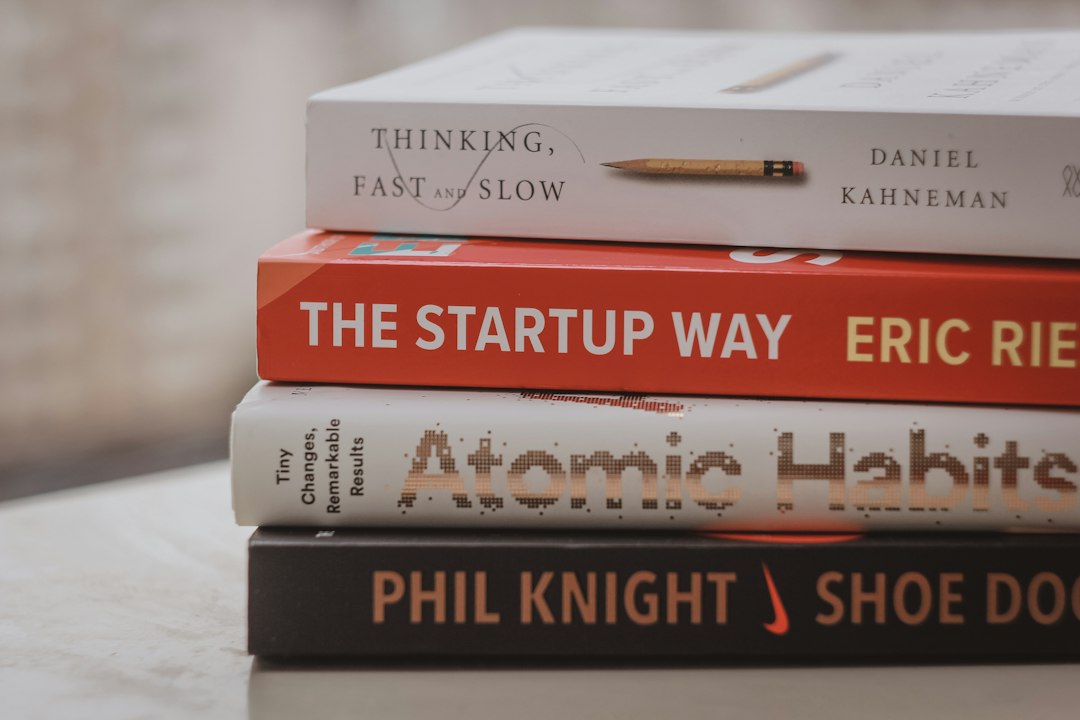
Most self-help books on the market are essentially junk wrapped in inspirational quotes. However, Atomic Habits, published in 2018, has managed to secure a spot on the desk of almost every software engineer I know.
What is Atomic Habits really about?
Written by James Clear, the core of the book revolves around a basic mathematical idea: a 1% change every day creates a massive difference thanks to compounding. You can learn more about this method on the official site https://jamesclear.com to see how he systematizes small habits.
Instead of encouraging you to set massive goals, the book advises you to focus on systems. A goal is what you want to achieve, while a system is the process that leads to that result. Winners and losers often share the same initial goals; it is their daily systems that set them apart.
The greatest value isn’t in motivation
Changing identity instead of results
This is the most brilliant point of the book, which many people tend to skim over. Clear argues that sustainable habits must stem from an internal shift in identity.
For example, instead of saying “I want to lose 5kg,” position yourself as “I am a runner.” When you act based on protecting that new identity, putting on your shoes at 5 AM becomes more natural. It’s no longer a forced task that requires sheer willpower to overcome.
The Four Practical Laws
The book breaks down the habit formation process into four mechanical steps. To create a good habit, you need to make it obvious, attractive, easy, and satisfying.
Conversely, to break a bad habit, you simply invert these four laws. This framework turns a complex psychological problem into an actionable checklist for anyone.
Is the praise overhyped?
The originality of the ideas
I have to be honest: James Clear didn’t invent the science of habits. If you check the page https://en.wikipedia.org/wiki/Atomic_Habits, you’ll see that many foundational ideas were inherited from previous authors.
The habit loop is taken almost directly from Charles Duhigg’s 2012 book The Power of Habit. The concept of making habits “tiny” was heavily influenced by BJ Fogg’s research. The truth is, the value of Atomic Habits lies in its masterful systematization, not in new scientific breakthroughs.
Many people have a habit of skimming to get the main points. If you’re interested in this, you can check out the article Using AI to read books: Extracting knowledge without being lazy to learn how to extract core frameworks without getting bogged down in lengthy examples.
| Criteria | Atomic Habits (James Clear) | The Power of Habit (Charles Duhigg) | Notes |
|---|---|---|---|
| Focus | 4-step practical framework | Science and brain mechanisms | Atomic Habits is more actionable |
| Applicability | Extremely high, immediate | Medium, more analytical | Duhigg is a better storyteller |
| Core Idea | Identity change, compounding | Loop: Cue - Routine - Reward | Clear borrows the foundation from Duhigg |
How to apply it effectively for tech folks
If you are maintaining a 200k-line monorepo with 4 people, this is where the difference shows between trying to fix every bug in one day versus improving the workflow every day. You can apply the book as follows:
- Environment Design: Close all social media tabs and leave only your IDE open. Your work environment dictates your focus more than willpower does.
- Habit Stacking: Anchor a new habit to an old one. For example: “After I pour my morning coffee, I will immediately review 2 pull requests.”
- The 2-Minute Rule: Start with the smallest possible task. If writing documentation for code feels too boring, commit to writing for exactly 2 minutes and then stop. Usually, once you start, you’ll have the momentum to finish the rest.
Frequently Asked Questions
Do I need to read it from cover to cover?
You should carefully read the section on identity change at the beginning. The later chapters on the four laws can be skimmed to pick out techniques that fit your current situation.
How can I remember all the laws?
No one remembers everything on the first read. I usually feed my book notes into an AI to ask questions whenever I need a refresher. You can read the post Ditching GPT-5: Why I chose Claude for reading books to see how to set up an effective knowledge review assistant.
Is this book suitable for procrastinators?
Highly suitable. The book doesn’t teach you how to “tough it out” to stop being lazy. It shows you how to lower the barriers to entry so that starting becomes so easy you can’t find an excuse to say no.
Conclusion
Atomic Habits isn’t a book filled with psychological miracles never before known to the world. It’s more like an excellent technical manual for operating human “hardware.” The book strips away empty motivational slogans to provide you with a clear set of APIs for restructuring your daily habits. If you are a pragmatic person in need of a method you can start using immediately, this is a time investment that is absolutely worth it.