
Atomic Habits Review: Life-Changing Book or Overhyped?
A pragmatic analysis of the decade's most famous habit book to see what value James Clear's system actually brings to the table.
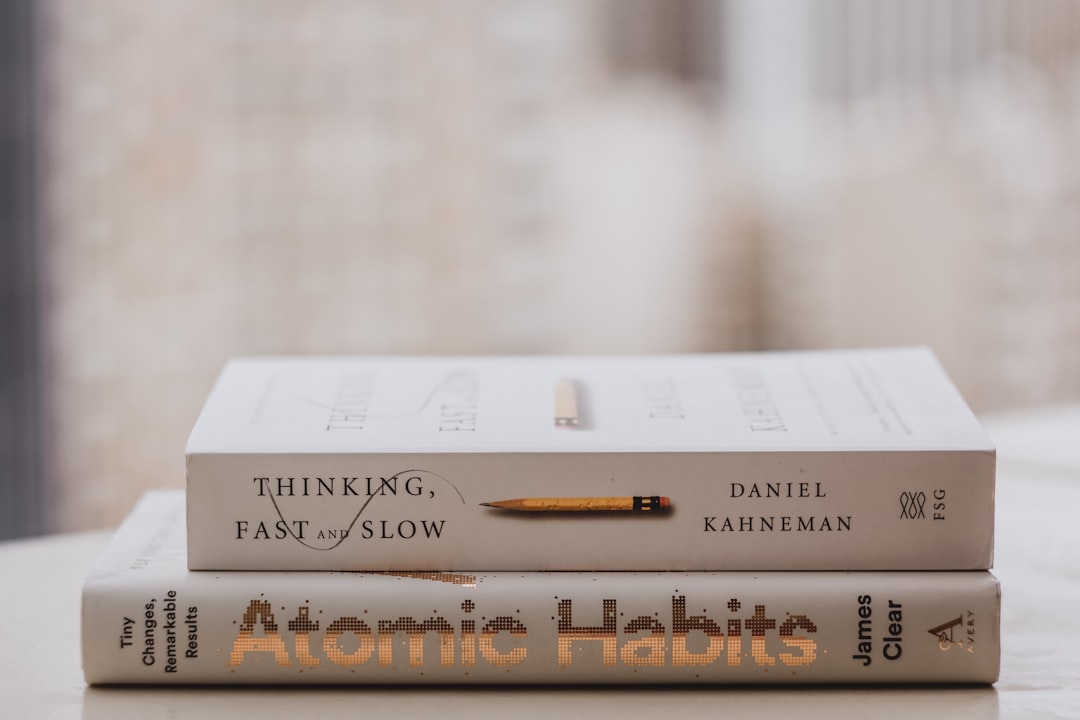
I used to think reading books about habits was the ultimate waste of time. If you want to do something, just get off your butt and do it—why do you need a thick book for someone to teach you how to brush your teeth or go for a run every morning?
What is this book really about?
Atomic Habits was published in 2018 by James Clear. The core of the book revolves around a simple philosophy: you don’t need earth-shattering changes. You just need to get 1% better every day, and compound interest will do the rest.
According to information from the author’s personal page, the focus of this method is building systems. Goals tell you the direction, but the system is the engine that actually gets you to the destination.
Not a new invention, but excellent packaging
Most people hail James Clear as a genius who invented habit science, but here’s why I think otherwise. He is actually a master synthesizer rather than a pioneering trailblazer.
Based on historical notes on Wikipedia, many of the book’s core ideas are clearly inherited from Charles Duhigg’s The Power of Habit (released in 2012), as well as the behavior models of researcher BJ Fogg.
The value of systematization
Instead of getting bogged down in complex neurological research like his predecessors, the author turns everything into formulas. The book doesn’t force you to understand how the brain is structured. It simply tells you which variables to plug into the equation to get the desired result.
Identity change - the sharpest weapon
This is the part I appreciate most in the entire work. Most of us start by changing the desired outcome. We say, “I want to read 50 books this year.”
Giving up the outcome mindset
The author suggests going in reverse. You must change your identity first. Don’t aim to read 50 books; instead, define yourself: “I am a reader.”
(It sounds a bit counter-intuitive, but let me explain.)
When you identify as a “reader,” picking up a book every night is no longer a task to be completed. It becomes a way you express yourself. You are no longer fighting against your own nature.
The Four Core Laws
The book breaks down habit formation into four very practical steps:
Make it obvious
If you want to eat more fruit, put a bowl of apples right in the middle of your desk instead of hiding them in the fridge. Physical presence triggers action.
Make it attractive
Pair something you need to do with something you want to do. For example, only watch your favorite movie while running on the treadmill.
Make it easy
The “2-Minute Rule” is the most valuable takeaway. If you want to build a daily writing habit, start by writing for exactly 2 minutes and then stop. Don’t try to write a long article; that requires too much “activation energy.”
Make it satisfying
Create an immediate reward. Mark a big red “X” on your calendar every time you complete the task.
Comparison with similar books
| Criteria | Atomic Habits | The Power of Habit | Notes |
|---|---|---|---|
| Focus | Practical application | Scientific research | Choose Atomic if you want to act now |
| Readability | Extremely easy to follow | Requires more focus | Atomic is written like a manual |
| Originality | Based on existing foundations | Breakthrough at the time | Duhigg was the trailblazer |
How to apply this to a real-world system
You can bring this mindset directly into your daily workflow. Here is how to set up the system:
- Design your environment: Keep your work computer free of games and social media shortcuts on the home screen. If you’re looking for more effective ways to block distractions, check out the article Deep Work thời AI: Cách tập trung khi máy móc quá nhanh.
- Habit stacking: Attach a new habit to an old one. “After I drink my morning coffee, I will open my note app and write 3 bullet points.”
- Standardize before you optimize: Don’t rush into buying fancy software. When you start Xây bộ não vĩnh cửu với Obsidian và Claude, the most important thing is creating the habit of taking notes every day—even if it’s just a few lines of raw text—rather than spending a whole week installing plugins.
Frequently Asked Questions
Is the book too wordy?
Yes. The first few chapters are excellent and contain 80% of the core value. About the last third of the book repeats many old ideas and can be skimmed.
Is it suitable for tech people?
Very much so. The author’s logic is identical to how a software engineer optimizes a system. He treats habits as “functions,” and you optimize each function one by one.
What if I read it and still can’t do it?
The most common mistake is trying to apply all 4 laws to 10 habits at once. Pick exactly one tiny habit (like drinking a glass of water when you wake up) and do it for 30 days before trying anything else.
Conclusion
Atomic Habits doesn’t contain divine secrets that will change your life overnight. It is a detailed engineering blueprint that shows you how to tighten every screw so the habit machine runs smoothly. You don’t need to worship the book, but you will definitely pick up a few useful tools to repair your daily routine.