
Phi hành gia rơi xuống Trái Đất (Một mình)
Yuri Gagarin đi vào lịch sử là người đầu tiên vào không gian, nhưng sự thật về màn hạ cánh lại là một canh bạc bí mật đầy liều lĩnh.
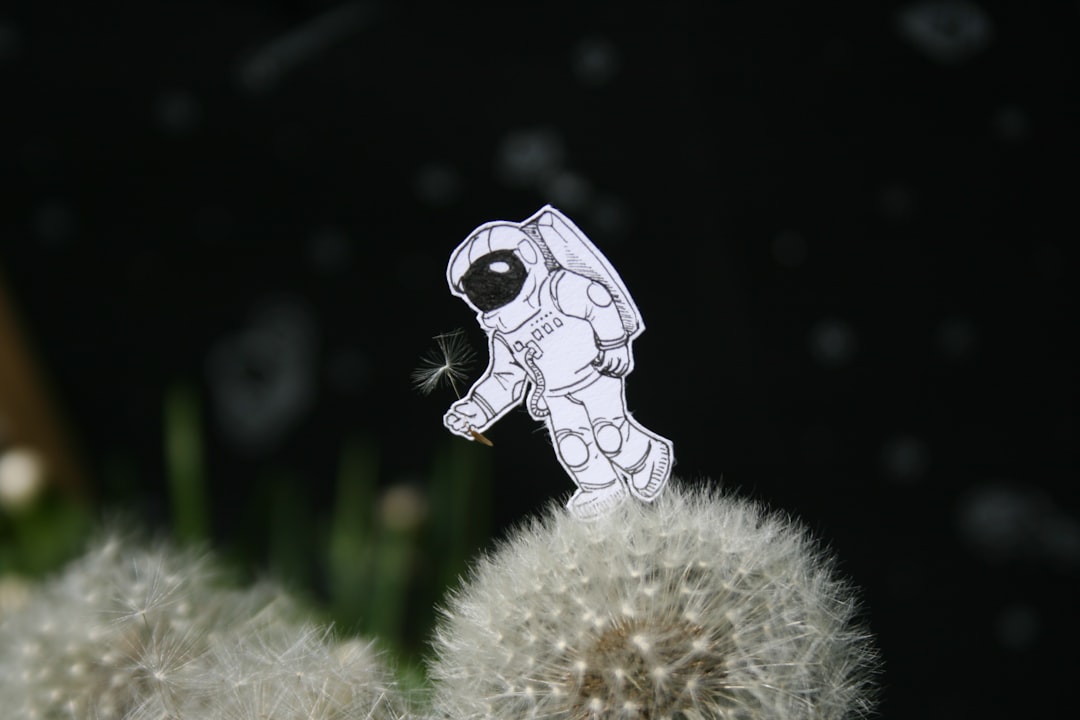
Điều mà hầu hết mọi người không nhận ra về chuyến bay lịch sử của Yuri Gagarin vào ngày 12 tháng 4 năm 1961 là người đầu tiên bay vào không gian thực sự đã không hạ cánh bên trong tàu vũ trụ của mình. Sau 108 phút nghẹt thở quay quanh Trái đất, Gagarin đã thoát ra khỏi khoang tàu Vostok 1 ở độ cao 7 km và nhảy dù xuống đất riêng biệt. Liên Xô đã giữ kín chi tiết quan trọng này như một bí mật quốc gia trong suốt hơn một thập kỷ.
Hãy tưởng tượng cảnh tượng đó: một phi hành gia đơn độc, treo mình dưới chiếc dù, lặng lẽ rơi xuống một cánh đồng hẻo lánh, trong khi khoang tàu rỗng của ông lao xuống mặt đất gần đó. Đây không phải là một phần của câu chuyện được công bố rộng rãi trước công chúng.
Câu chuyện chính thức, được xây dựng tỉ mỉ để giành lấy sự tán thưởng quốc tế, khẳng định rằng Gagarin đã hạ cánh an toàn bên trong Vostok 1. Sự thêu dệt này không chỉ là vấn đề về niềm tự hào; đó còn là vấn đề về hồ sơ kỷ lục đối với Liên đoàn Hàng không Quốc tế (FAI), cơ quan phê chuẩn các kỷ lục hàng không và du hành vũ trụ. Để một chuyến bay được chính thức công nhận, phi công phải hạ cánh cùng với phương tiện của họ.
Tại sao lại có sự lừa dối này? Khoang tàu Vostok, dù có khả năng đưa con người lên quỹ đạo, nhưng lại thiếu một hệ thống hạ cánh mềm đủ an toàn cho phi hành gia. Lực G khi trở lại bầu khí quyển là cực kỳ lớn, và cú va chạm khi hạ cánh đơn giản là quá nguy hiểm đối với con người ở bên trong.
Vì vậy, một giải pháp táo bạo đã được đưa ra: đẩy phi hành gia ra ngoài trước khi va chạm. Đó là minh chứng cho sự khéo léo và cả sự liều lĩnh của chương trình không gian sơ khai của Liên Xô, đẩy lùi các giới hạn của công nghệ thời bấy giờ, ngay cả khi điều đó có nghĩa là phải bẻ cong sự thật.
Hệ thống thoát hiểm của Gagarin là một phần quan trọng trong kế hoạch thực hiện nhiệm vụ. Đó không phải là một phương án dự phòng vào phút chót; đó là một quyết định có tính toán từ trước để đảm bảo sự sống sót của ông. Theo đúng nghĩa đen, ông giống như một “viên đạn người” được bắn ra khỏi con tàu đang trở về, phó mặc mạng sống cho một chiếc dù để đưa mình về nhà.
Trong nhiều năm, tình báo phương Tây đã nghi ngờ có điều gì đó không ổn. Những bức ảnh tại địa điểm hạ cánh thường cho thấy Gagarin đứng cạnh khoang tàu, nhưng chưa bao giờ thấy ông bên trong nó tại thời điểm phục hồi. Câu chuyện chính thức nghe có vẻ hơi quá hoàn hảo.
Mãi đến năm 1972, hơn một thập kỷ sau chuyến bay lịch sử, sự thật mới cuối cùng được hé lộ. Liên Xô chính thức thừa nhận rằng Gagarin đã nhảy dù và hạ cánh riêng biệt. Vào thời điểm đó, FAI đã nới lỏng các quy tắc của mình, và kỷ lục ban đầu về “người đầu tiên vào không gian” vẫn không bị lung lay.
Sự tiết lộ này không hề làm giảm đi thành tựu của Gagarin. Ngược lại, nó càng nhấn mạnh những rủi ro khủng khiếp mà ông đã chấp nhận và tính chất thô sơ của ngành du hành vũ trụ thời kỳ đầu. Ông không chỉ là một hành khách; ông là một người tiên phong, một phi công thử nghiệm đã thực sự nhảy ra khỏi quá trình rơi rực lửa của tàu vũ trụ.
Bạn đã nghe nói về cuộc đua không gian giữa Hoa Kỳ và Liên Xô. Nhưng chi tiết ẩn giấu này tiết lộ những nỗ lực phi thường và cả những canh bạc táo bạo mà cả hai bên đã thực hiện để đạt được những cái “đầu tiên” này. Tham vọng trở thành người dẫn đầu thường vượt xa công nghệ hiện có, dẫn đến những giải pháp khéo léo — và đôi khi là đầy tính ngụy tạo.
Việc hạ cánh riêng biệt của Gagarin làm nổi bật một khía cạnh thú vị của lịch sử: những câu chuyện chúng ta được kể so với sự thật đầy đủ và thường phức tạp hơn. Điều đó khiến bạn tự hỏi còn những bí mật nào khác từ thời đại đó, hay thực tế là từ bất kỳ thời đại nào, vẫn đang chờ được tiết lộ? Những “phiên bản chính thức” nào khác có thể đang che giấu một thực tế phi thường hơn?