
Phi hành gia không hạ cánh cùng tàu vũ trụ
Yuri Gagarin không hề hạ cánh bên trong khoang tàu. Bí mật suốt 12 năm của Liên Xô sẽ thay đổi hoàn toàn những gì bạn biết.
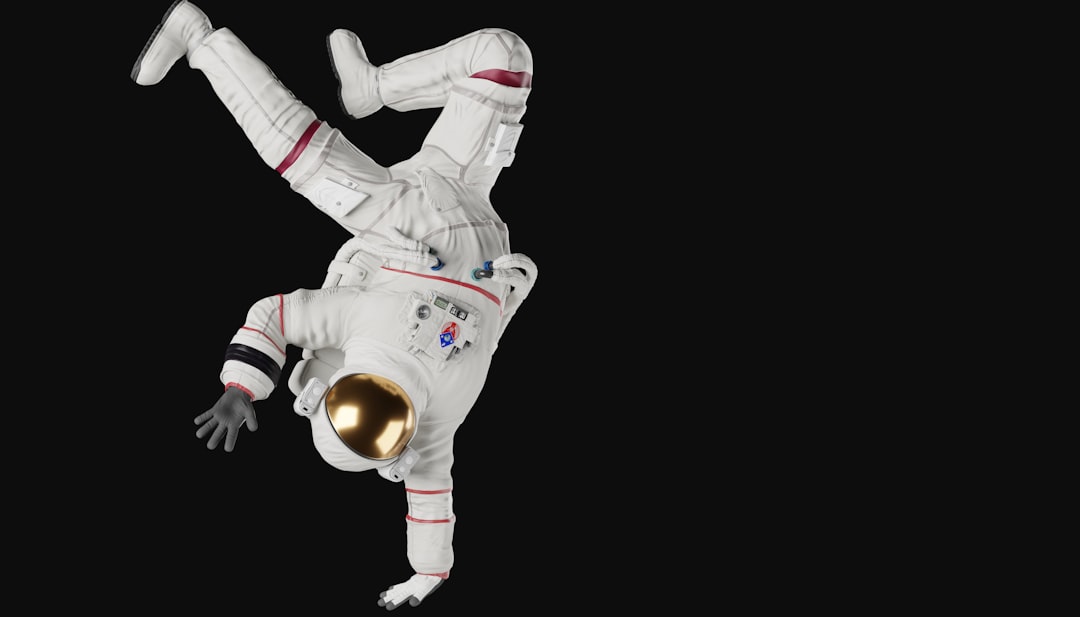
Thực tế là, con người đầu tiên bay vào không gian, Yuri Gagarin, đã không hạ cánh bên trong con tàu vũ trụ của mình. Trong suốt mười hai năm dài, Liên Xô đã tỉ mỉ xây dựng một kịch bản về sự chiến thắng, vẽ nên bức tranh Gagarin đáp xuống một cách nhẹ nhàng bên trong khoang tàu Vostok 1. Nhưng sự thật còn táo bạo hơn nhiều, và có lẽ, cũng nguy hiểm hơn gấp bội.
Ở độ cao 7 km, Gagarin đã nhảy ra khỏi khoang tàu, rơi tự do xuống Trái Đất bằng dù. Khoang tàu của ông, một kỳ quan của kỹ thuật không gian sơ khai, đơn giản là không được thiết kế để con người có thể hạ cánh an toàn bên trong.
Hãy tưởng tượng khung cảnh đó: vị anh hùng của Liên Xô không hề được bao bọc an toàn trong con tàu, mà đang rơi tự do giữa bầu khí quyển, một hình bóng đơn độc giữa bầu trời bao la. Đây không phải là một phần của chiến dịch tuyên truyền được dàn dựng kỹ lưỡng. Đó là một bí mật được giữ kín như bưng.
Tại sao lại phải lừa dối? Liên đoàn Hàng không Quốc tế (FAI), cơ quan quản lý các kỷ lục hàng không, đã quy định rằng để một chuyến bay được công nhận chính thức, phi công phải hạ cánh bên trong con tàu của họ. Để xác lập kỷ lục, người Xô Viết đã phải “bẻ cong” sự thật. Hay nói đúng hơn là viết lại hoàn toàn câu chuyện.
Khoang tàu Vostok 1 là một bước tiến vượt bậc vào thời điểm đó, nhưng hệ thống trở lại khí quyển của nó thiếu sự chính xác và an toàn cần thiết cho một cuộc hạ cánh có con người điều khiển. Tấm khiên chắn nhiệt đã hoạt động, nhưng lực giảm tốc và tác động khi va chạm lúc hạ cánh được coi là quá nguy hiểm đối với một phi hành gia.
Vì vậy, một giải pháp thông minh, dù đầy rủi ro, đã được đưa ra. Gagarin sẽ ngồi trong khoang tàu vượt qua những phần nguy hiểm nhất khi trở lại khí quyển. Sau đó, ở độ cao mà việc nhảy dù là khả thi, ông sẽ thoát ra ngoài.
Đây không phải là một quyết định vào phút chót. Đó là một phần không thể tách rời trong thiết kế của tàu Vostok. Thế nhưng, thế giới lại được kể một câu chuyện khác. Các thước phim thời sự cho thấy hình ảnh của khoang tàu, ám chỉ rằng Gagarin ở bên trong, một biểu tượng chiến thắng cho sức mạnh công nghệ của Liên Xô.
Những hệ lụy của việc này vô cùng sâu sắc. Điều đó có nghĩa là chuyến bay đầu tiên của con người vào không gian, một thành tựu vĩ đại trong lịch sử nhân loại, đã được xây dựng trên nền tảng của một huyền thoại được dàn dựng cẩn thận. Mãi đến năm 1973, Liên Xô mới chính thức thừa nhận sự thật, rất lâu sau cái chết bi thảm của Gagarin trong một vụ tai nạn máy bay năm 1968.
Bí mật này làm nổi bật những áp lực chính trị gay gắt của Cuộc chạy đua vào không gian. Cả Mỹ và Liên Xô đều khao khát giành lấy những cái “đầu tiên”, không chỉ phá vỡ các giới hạn khoa học mà còn cả giới hạn của quan hệ công chúng (PR). Kịch bản truyền thông cũng quan trọng không kém gì kỹ thuật.
Hãy suy ngẫm về điều này: lòng dũng cảm của Gagarin là không thể phủ nhận, nhưng nó còn được nhân lên gấp bội khi biết rằng quá trình hạ cánh của ông là một quy trình hai giai đoạn. Ông không chỉ sống sót khi trở lại khí quyển; mà sau đó còn thực hiện một cú nhảy dù riêng biệt từ độ cao lớn. Đó là một mức độ can trường hiếm khi được nhắc đến trong những câu chuyện ban đầu.
Chương bị che giấu này trong lịch sử không gian nhắc nhở chúng ta rằng ngay cả những khoảnh khắc huy hoàng nhất cũng có thể ẩn chứa những phức tạp chưa được kể. Còn những sự thật nào khác đang nằm sâu dưới bề mặt của các hồ sơ chính thức, chờ đợi được khám phá?