
Phi hành gia rơi xuống từ vũ trụ
Khám phá sự thật ít người biết về Yuri Gagarin: Ông không hề hạ cánh bên trong khoang tàu vũ trụ.
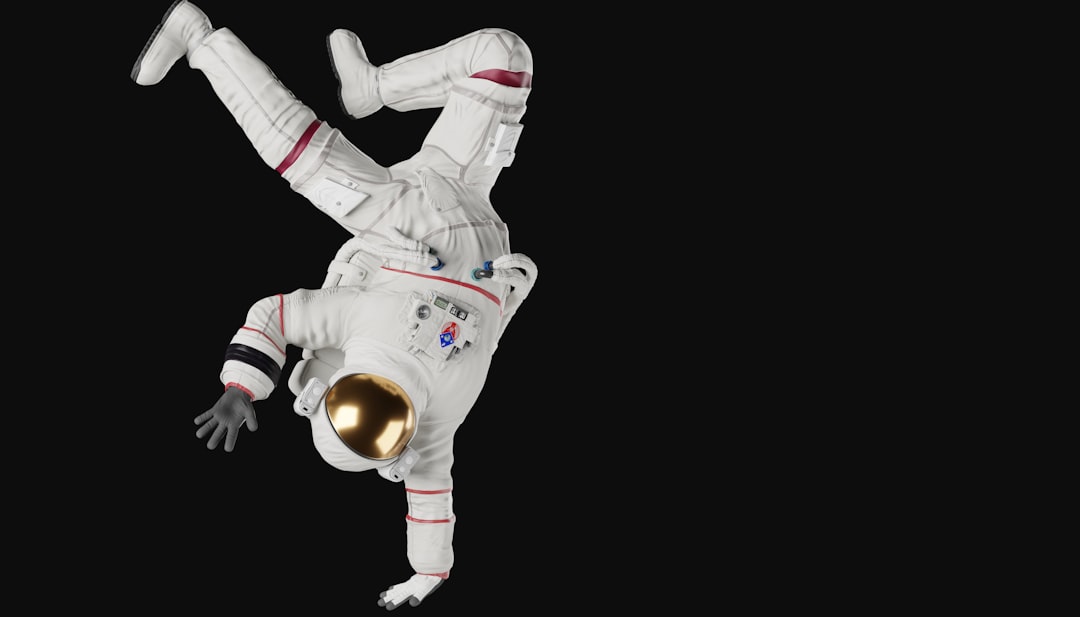
Điều mà hầu hết mọi người không biết về chuyến du hành huyền thoại vào không gian của Yuri Gagarin ngày 12 tháng 4 năm 1961 là ông không hề hạ cánh bên trong khoang tàu Vostok của mình. Trong suốt mười hai năm, Liên Xô đã giữ kín một bí mật gây sốc: Gagarin đã bung ghế thoát hiểm ở độ cao 7 km và nhảy dù xuống Trái Đất riêng biệt, một thực tế lẽ ra đã khiến chuyến bay của ông không được công nhận theo các quy tắc hàng không quốc tế thời bấy giờ.
Hãy tưởng tượng sự táo bạo tột cùng đó. Một khoảnh khắc trước, bạn là con người đầu tiên được chiêm ngưỡng Trái Đất từ quỹ đạo, một nhân vật tựa thần thánh đang bay vòng quanh địa cầu. Khoảnh khắc tiếp theo, bạn đang rơi tự do qua bầu khí quyển, không còn gì ngoài một chiếc dù, trong khi con tàu vũ trụ trống rỗng của bạn hạ cánh ở một nơi khác.
Câu chuyện chính thức, được dàn dựng tỉ mỉ và phổ biến khắp thế giới, đã vẽ nên một bức tranh về chiến thắng hoàn hảo. Nó ca ngợi phong thái bình tĩnh, những quan sát chính xác và chuyến trở về an toàn của Gagarin bên trong khoang tàu Vostok 1. Đó là một kịch bản được thiết kế cho chiến thắng, cho uy tín toàn cầu và cho cuộc chạy đua vào không gian.
Nhưng các kỹ sư hiểu rõ hơn ai hết. Khoang tàu Vostok, dù có khả năng đưa con người lên quỹ đạo, lại thiếu hệ thống phanh và hạ cánh tinh vi cần thiết cho một cú chạm đất thực sự an toàn cho con người. Lực G khi quay trở lại bầu khí quyển là rất lớn, và cú va chạm với mặt đất sẽ quá khắc nghiệt đối với một phi hành gia ngồi bên trong.
Vì vậy, một kế hoạch táo bạo đã được vạch ra. Sau khi quay trở lại bầu khí quyển, khi khoang tàu đã giảm tốc độ xuống mức có thể kiểm soát và ở độ cao phù hợp, Gagarin sẽ được phóng ra ngoài. Sau đó, ông sẽ hạ cánh bằng dù riêng của mình, tách biệt khỏi con tàu. Đó là một rủi ro có tính toán, nhưng cần thiết để đảm bảo sự sống sót cho phi hành gia đầu tiên trên thế giới.
Đây không chỉ là một giải pháp kỹ thuật; đó còn là một cuộc đi dây chính trị đầy mạo hiểm. Liên đoàn Hàng không Quốc tế (FAI), cơ quan phê chuẩn các kỷ lục hàng không và không gian, quy định rằng một phi hành gia phải hạ cánh cùng với con tàu của họ để chuyến bay được công nhận đầy đủ. Vì khao khát khẳng định danh hiệu “người đầu tiên vào không gian” một cách tuyệt đối, Liên Xô chỉ đơn giản là bỏ qua chi tiết nhảy dù trong báo cáo chính thức của họ.
Trong hơn một thập kỷ, bí mật vẫn được giữ kín. Các bản tin ca ngợi lòng dũng cảm của Gagarin và sức mạnh công nghệ của Liên Xô. Ông trở thành một biểu tượng toàn cầu, một hình ảnh đại diện cho khát vọng vươn tới các vì sao của nhân loại. Trong khi đó, sự thật về cú hạ cánh kỳ lạ của ông vẫn bị khóa chặt trong các hồ sơ mật.
Mãi đến năm 1971, các quan chức Liên Xô mới bắt đầu thừa nhận không chính thức về việc nhảy dù. Tuy nhiên, sự xác nhận đầy đủ phải đợi đến tận năm 1980. Hãy nghĩ về điều đó: một thập kỷ im lặng, sau đó là một thập kỷ khác để từ từ bóc tách các lớp vỏ của sự che đậy.
Sự thật này không hề làm giảm đi kỳ tích phi thường của Gagarin. Ngược lại, nó càng làm nổi bật lòng dũng cảm to lớn không chỉ để lao vào không gian xa lạ, mà còn để tin tưởng vào một hệ thống yêu cầu một kiểu trở về phi truyền thống như vậy. Nó cho thấy áp lực kinh khủng của Chiến tranh Lạnh và cuộc chạy đua vào không gian, nơi hình ảnh và nhận thức cũng quan trọng không kém gì thành tựu khoa học.
Sự thật thường kỳ lạ và phức tạp hơn những câu chuyện chúng ta được kể. Chuyến bay của Gagarin không chỉ là một chiến thắng về kỹ thuật; nó là minh chứng cho sự nhạy bén của con người, những bí mật, và mức độ mà các quốc gia sẵn sàng đánh đổi để khẳng định vị thế của mình giữa các vì sao. Những chi tiết ẩn giấu nào khác có thể vẫn đang bay quanh lịch sử thám hiểm không gian?