
Phi hành gia không hạ cánh cùng tàu vũ trụ
Khám phá bí mật chấn động về cú hạ cánh của Yuri Gagarin mà Liên Xô đã che giấu suốt hơn một thập kỷ.
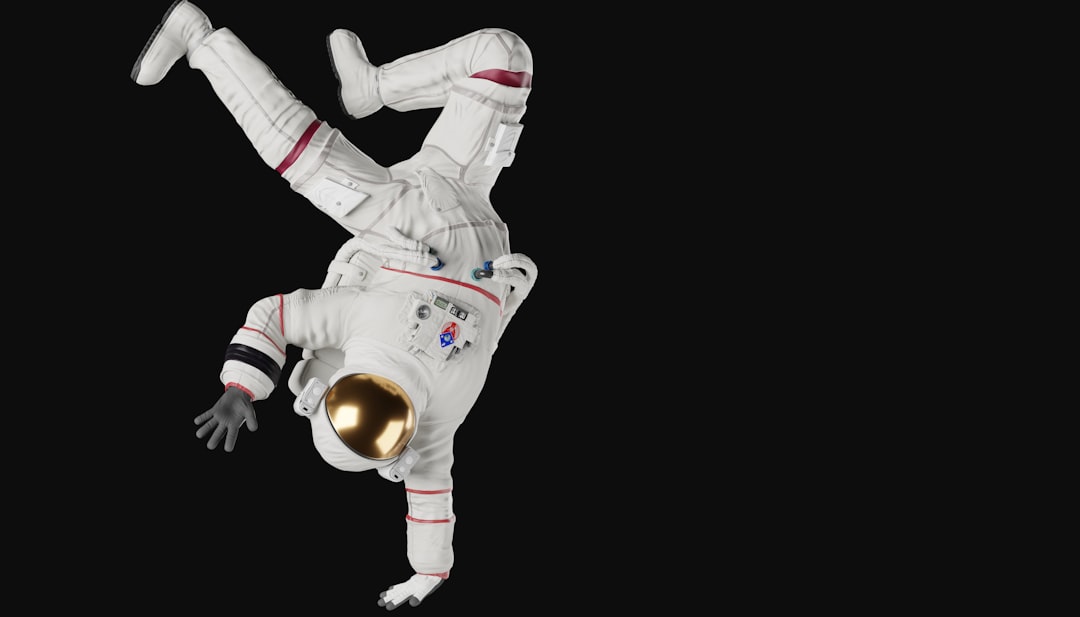
Thực tế là, con người đầu tiên từng hành trình vào không gian, Yuri Gagarin, đã không hạ cánh bên trong con tàu vũ trụ của mình. Trong hơn một thập kỷ, Liên Xô đã tỉ mỉ che giấu một chi tiết gây kinh ngạc về chuyến bay lịch sử ngày 12 tháng 4 năm 1961 đó: Gagarin đã phóng ra khỏi khoang đổ bộ Vostok của mình ở độ cao 7 km và nhảy dù xuống Trái đất một mình. Bạn thấy đấy, khoang tàu đó thực chất không được thiết kế để con người có thể hạ cánh an toàn bên trong.
Đây không phải là một sự cố; đó là một phần của thiết kế. Khoang đổ bộ Vostok 1, một kỳ quan của kỹ thuật vũ trụ sơ khai, đủ bền bỉ để chịu đựng quá trình tái nhập khí quyển rực lửa của Trái đất. Tuy nhiên, nó thiếu các hệ thống hạ cánh tinh vi – như tên lửa hãm và bộ giảm xóc – những thứ cho phép một phi hành gia sống sót sau cú va chạm lúc tiếp đất.
Hãy tưởng tượng tình thế tiến thoái lưỡng nan này: bạn vừa đưa một người lên quỹ đạo, một chiến tích sẽ mãi mãi thay đổi hiểu biết của nhân loại về vị thế của mình trong vũ trụ. Cả thế giới đang dõi theo đầy mê hoặc. Nhưng người hùng của bạn lại không thể… hạ cánh cùng với con tàu của mình.
Giải pháp đưa ra rất khéo léo, nếu không muốn nói là có phần táo bạo: phóng anh ta ra ngoài. Tại một độ cao đã định trước, sau khi phần quan trọng nhất của quá trình tái nhập khí quyển hoàn tất, một cửa sập sẽ bung ra, và Gagarin, được thắt chặt vào ghế phóng, sẽ được đẩy ra khỏi khoang tàu. Sau đó, ông sẽ hạ cánh bằng dù riêng của mình, trong khi khoang Vostok tiếp tục quá trình hạ cánh tách biệt và không có người lái.
Đây là một chi tiết cực kỳ quan trọng, một chi tiết đã thay đổi hoàn toàn bản chất câu chuyện của sứ mệnh. Hồ sơ chính thức được trình lên Liên đoàn Hàng không Quốc tế (FAI), cơ quan quản lý thế giới về các kỷ lục hàng không, tuyên bố rằng Gagarin đã hạ cánh bên trong con tàu vũ trụ của mình. Đây là một sự che giấu cần thiết để đảm bảo chuyến bay được công nhận là một kỷ lục bay vào không gian hoàn toàn hợp lệ.
Tại sao phải giữ bí mật? Ngoài mong muốn thể hiện một hình ảnh vượt trội về công nghệ không tì vết, còn có những cân nhắc thực tế. Các tiêu chuẩn an toàn cho chuyến bay vào không gian lúc bấy giờ vẫn đang được viết nên, đôi khi bằng cả máu. Việc thừa nhận hệ thống hạ cánh chưa hoàn thiện có thể làm nảy sinh những câu hỏi khó chịu hoặc thậm chí vô hiệu hóa kỷ lục trong mắt một số tổ chức quốc tế.
Thế giới đã tôn vinh Gagarin như một anh hùng, một người tiên phong đã phá vỡ xiềng xích của Trái đất. Và thực sự ông đã làm được điều đó. Nhưng toàn bộ câu chuyện về việc hạ cánh của ông vẫn được khóa chặt trong kho lưu trữ của Liên Xô suốt 12 năm. Mãi đến năm 1973, sự thật mới bắt đầu lộ diện, ban đầu là chậm rãi, sau đó rõ ràng hơn.
Bạn có thể tự hỏi, liệu điều này có làm giảm đi thành tựu của Gagarin không? Không một chút nào. Sự can đảm của ông khi bước lên con tàu tên lửa chưa từng được thử nghiệm đó, bay quanh hành tinh của chúng ta, và sau đó tin tưởng vào một hệ thống ghế phóng chưa được kiểm chứng, vẫn là vô song. Ông vẫn là người đầu tiên, một người khai phá đã mở ra cánh cửa dẫn đến những vì sao.
Tiết lộ này đơn giản chỉ thêm một lớp nghĩa khác cho một câu chuyện vốn đã phi thường. Nó nhắc nhở chúng ta rằng lịch sử thường sắc thái hơn, phức tạp hơn và “người” hơn những câu chuyện bóng bẩy mà chúng ta được tiếp cận ban đầu. Đó là minh chứng cho trí tuệ và sự táo bạo của những người tiên phong trong không gian thuở sơ khai, và cho những nỗ lực phi thường mà họ đã thực hiện để đạt được những điều tưởng chừng như không thể.
Còn những bí mật nào khác có thể vẫn đang ẩn giấu trong biên niên sử của ngành thám hiểm không gian, chờ đợi khoảnh khắc được hé lộ?