
How a 14-Inch Hole Swallowed a Lake
A tiny drilling error created a massive whirlpool that sucked an entire freshwater lake into the earth and reversed a river.
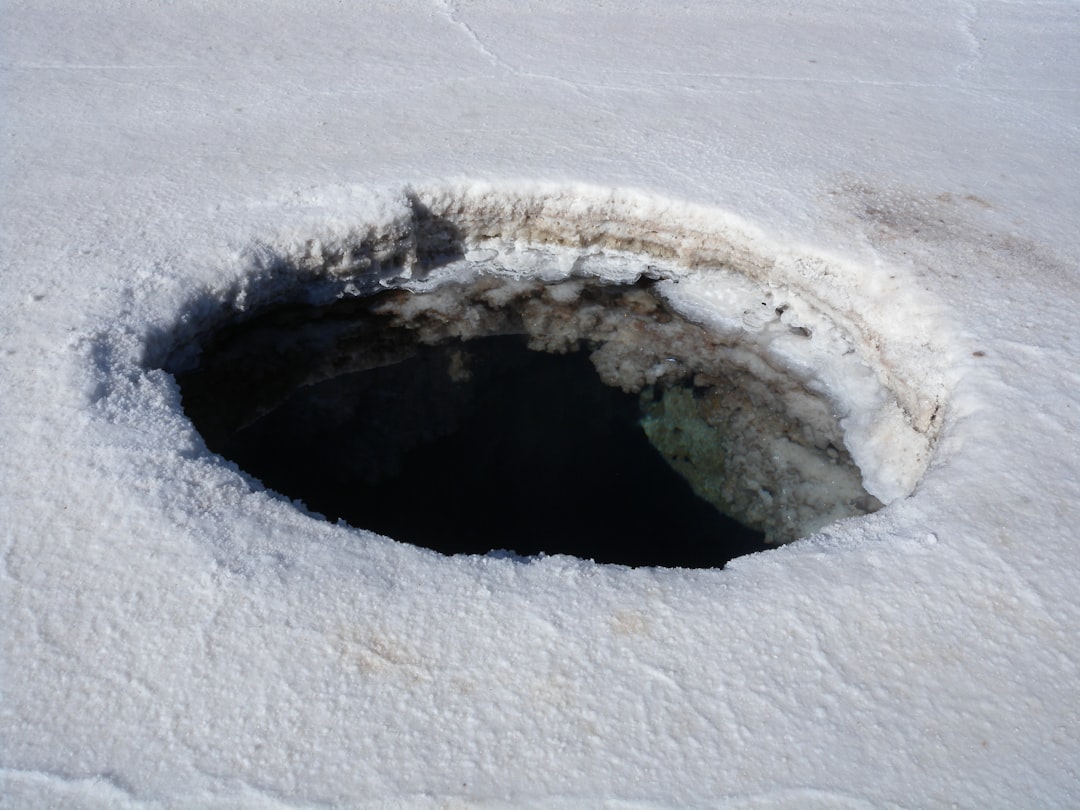
What most people don’t realise about lakes is that they can vanish entirely in a matter of hours. On November 20, 1980, a colossal body of water in Louisiana simply pulled the plug on itself. A tiny 14-inch drill bit pierced the bottom of Lake Peigneur, and exactly 3.5 billion gallons of water disappeared down the drain.
Honestly, I had to re-read the incident report three times before I believed it. How does a hole the size of a dinner plate swallow 1,300 acres of water, 11 barges, and a tugboat?
The Misplaced Rig
The story starts with a simple hunt for oil. Texaco set up a drilling rig on the shallow waters of Lake Peigneur. Deep beneath the mud, a completely different operation was taking place. The Diamond Crystal Salt Mine was a sprawling network of tunnels, buzzing with workers and heavy machinery.
The drillers above thought they were aiming for a safe spot. Instead, a critical mapping error put them right over one of the mine shafts. Much like The Math Error That Killed A Spaceship, a tiny miscalculation on paper led to absolute chaos in reality.
Around 1,228 feet down, the drill bit jammed. The crew heard loud, unnatural popping sounds echoing up from the water. Then, the entire massive rig began to tilt.
The drillers scrambled to safety just in time. Within hours, the million-dollar rig vanished beneath the water.
A Plughole in the Earth
Down in the mine, an electrician noticed a muddy stream of water pouring down a shaft. He sounded the alarm immediately. All 55 miners dropped their tools and raced for the surface as the cavern walls began groaning under immense pressure.
Above ground, the situation escalated into a nightmare. The water draining into the mine created a whirlpool that quickly grew to a quarter of a mile wide.
Here is the most terrifying part of the physics involved. A 14-inch hole in solid rock is one thing, but this was a hole in a salt dome. As the freshwater rushed in, it rapidly dissolved the salt pillars holding up the mine roof, accelerating the collapse and expanding the hole exponentially until it tore away 65 acres of surrounding land.
The River That Flowed Backwards
The destruction did not stop at the lake bed. Lake Peigneur was connected to the Gulf of Mexico by the Delcambre Canal. Normally, the lake water flowed out to the ocean.
As the lake emptied into the cavern, the water level dropped below sea level. The canal suddenly reversed direction. Saltwater from the Gulf rushed inland, plunging into the crater and creating a 150-foot waterfall. For a few days, this was the tallest waterfall in the entire state of Louisiana.
We often see how small oversights cause structural collapse, similar to The 54cm Mistake That Broke a Bridge. However, this specific mistake permanently altered a natural ecosystem.
A New Ecosystem
The ocean poured in for days until the massive underground caverns finally filled up. The lake stabilised, but it was forever changed. It went from a shallow, freshwater ecosystem to a deep, saltwater lake.
Marine life from the Gulf of Mexico moved in. Today, you can find ocean fish swimming where freshwater species used to thrive. Amazingly, nine of the sunken barges popped back up to the surface like giant metal corks once the pressure equalised.
Even more miraculously, not a single human life was lost that day. Everyone above and below ground escaped just in time.
You have to wonder what other tiny, invisible errors are being made right now beneath our feet. If a 14-inch drill bit can rewrite the geography of a state in an afternoon, what happens when we dig even deeper?