
The City That Burned By Accident
A sudden change in the weather shifted the course of history and brought unimaginable destruction to a city that was never meant to be targeted.
What most people do not realize about August 9, 1945, is that the atomic bomb named Fat Man was never supposed to fall on Nagasaki.
It is the morning of August 9. A B-29 bomber named Bockscar is flying high over the Pacific Ocean, carrying a plutonium implosion device. The crew has a very specific mission, and their primary target is the city of Kokura.
Kokura housed one of the largest arsenals in Japan. Military planners had carefully selected it for destruction. Nagasaki was merely a secondary option, a backup plan scribbled on the mission briefing.
The Luck of Kokura
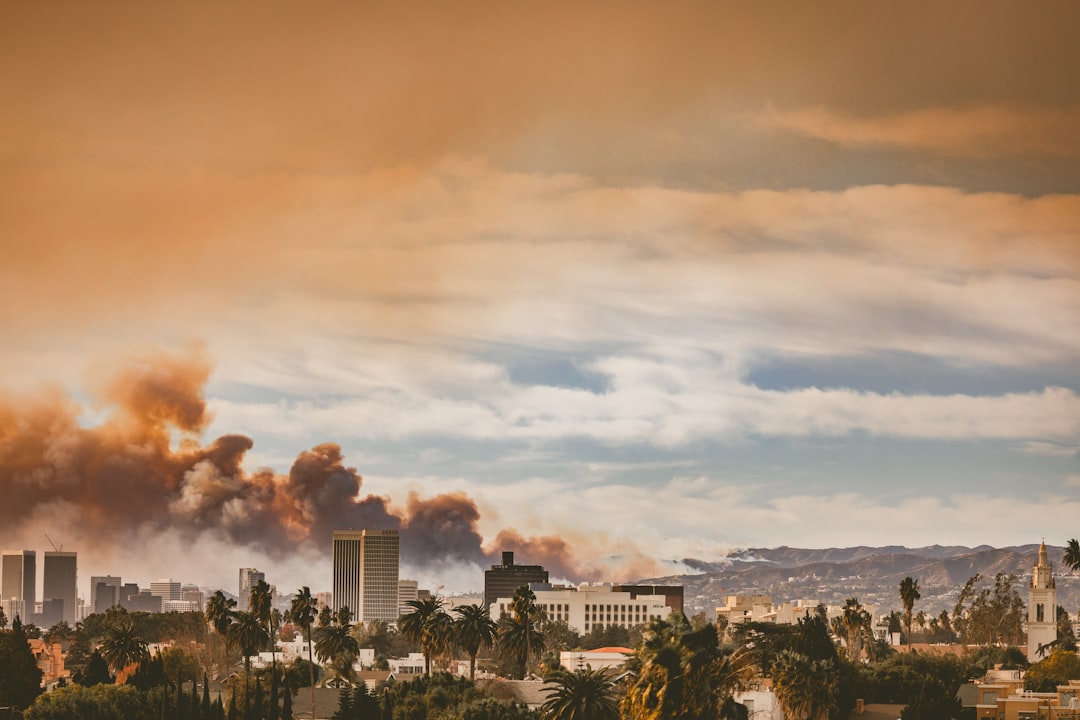
When Bockscar arrived over Kokura, the crew encountered a massive problem. The city was completely hidden under a thick blanket of haze and smoke. This smoke was drifting over from the nearby city of Yawata, which had been firebombed the day before.
The orders for the mission were strict. The crew was required to make a visual drop. They could not simply rely on radar instruments to release a weapon of this magnitude.
For 45 minutes, the bomber circled Kokura. The commander, Major Charles Sweeney, made three separate runs over the city trying to find a break in the smoke. He found nothing.
With fuel running dangerously low, the crew had to make a choice. They abandoned the primary target and turned south toward their secondary option. The smoke over Kokura had just saved the lives of tens of thousands of people.
A Desperate Flight
The flight to Nagasaki was tense. The bomber was burning through fuel at an alarming rate due to a faulty fuel pump. They only had enough gas for a single pass over the secondary target.
Navigation during World War II was primitive by modern standards. Today, we rely on precise GPS, even if we sometimes use The Navigation System Designed to Lie. Back then, crews relied on visual landmarks and basic radar that was often unreliable.
When Bockscar reached Nagasaki, the crew faced the exact same problem. A thick layer of clouds blanketed the city.
With fuel gauges dropping toward zero, the commander made a highly controversial decision. He ordered a radar approach, violating the strict orders for a visual drop. They were preparing to release the bomb blindly into the clouds.
The Break in the Clouds
At the very last possible second, a small gap opened in the cloud cover. The bombardier, Kermit Beahan, spotted the city’s stadium through the hole. He took manual control and released the weapon.
The bomb fell for 43 seconds. It detonated at exactly 11:02 AM local time.
Fat Man was a plutonium-based weapon, significantly more powerful than the uranium bomb dropped on Hiroshima three days earlier. According to historical records of the atomic bombings, the explosion yielded an estimated 21 kilotons of TNT.
The blast generated temperatures exceeding 3,900 degrees Celsius. Winds tore through the valley at hundreds of kilometers per hour.
Yet, the destruction could have been much worse. Because of the rushed drop through the clouds, the bomb missed its intended ground zero by nearly 3 kilometers.
The Geography of Survival
Unlike the flat plains of Hiroshima, Nagasaki is built into a series of steep hills and valleys. This rugged terrain actually contained a large portion of the blast.
The hills shielded parts of the city from the intense thermal radiation and shockwave. Just as a minor engineering error can lead to a catastrophe - like How A Tiny Drill Bit Ate A Lake - natural geography played a massive role in the final death toll.
It is terrifying to realize how a tiny detail can reshape geography and history. Kokura survived because of smoke from a neighboring fire. Nagasaki burned because of a fleeting gap in the clouds.
History is often taught as a series of calculated decisions made by powerful people in quiet rooms. But when you look closely at the moments that define our world, they are rarely that neat.
How much of our modern world was built not on careful planning, but on the unpredictable whims of the weather?