
How A Tiny Drill Bit Ate A Lake
A multi-million dollar engineering disaster drained billions of gallons of water in hours, leaving behind a completely different ecosystem.
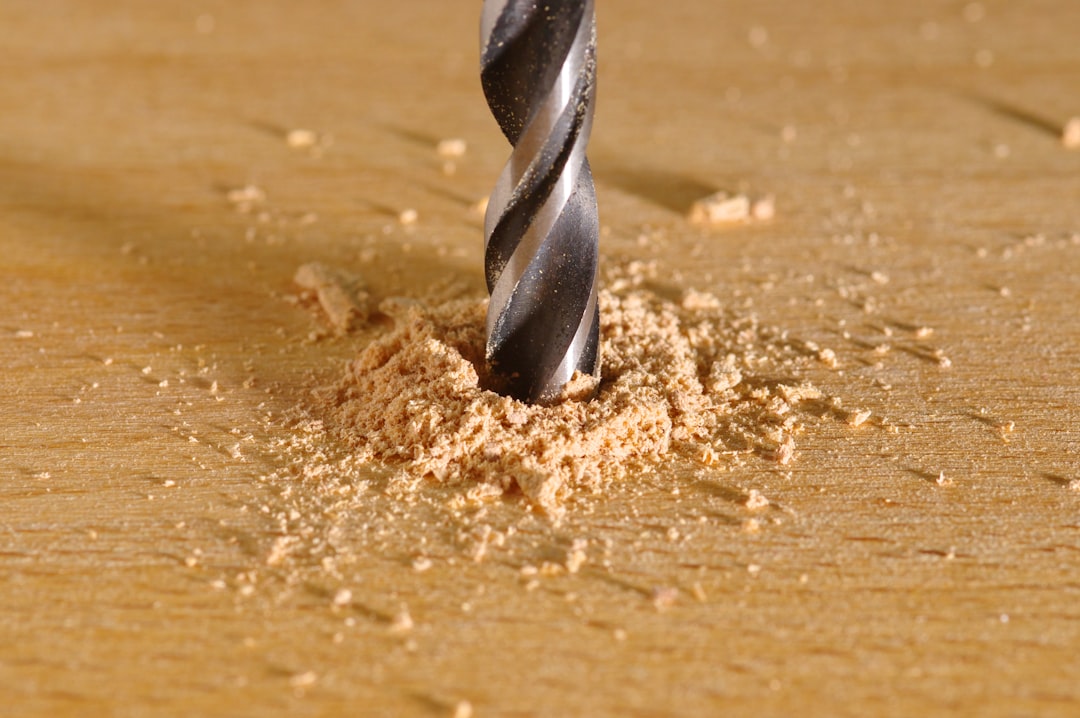
The Day The Water Vanished
The truth is, a drill bit smaller than a dinner plate is all it took to swallow a multi-billion gallon lake whole. On a quiet morning in 1980, fishermen on Lake Peigneur watched the water beneath them turn into a roaring vortex. It sucked down 11 barges, a massive oil rig, and chunks of a nearby botanical garden.
The suction was so intense it reversed the flow of the local canal, pulling the Gulf of Mexico inland. This was not a natural disaster. It was a spectacular human error.
You might find it hard to believe that a 14-inch hole swallowed an entire lake, but the math behind water pressure is relentless. A Texaco oil rig was probing the lake bottom. Far beneath the water sat the Diamond Crystal Salt Company mine, a massive underground cavern system.
The drillers used the wrong coordinate reference system. Just like the mistake that erased 125 million dollars in Mars exploration years later, a simple mapping error proved fatal. The drill pierced the third level of the salt mine.
But wait - if the hole was only 14 inches wide, how did it drain 3.5 billion gallons of water in just three hours?
Freshwater dissolves salt. As the high-pressure water rushed into the tiny puncture, it rapidly melted the salt pillars supporting the mine ceiling. The 14-inch hole quickly grew into a massive crater, pulling the entire lake down the drain.
The Reverse Waterfall
The resulting whirlpool was terrifying. Contemporary reports state the temporary waterfall created by the reversing canal dropped 164 feet into the crater. Not dozens of feet - exactly 164 feet, making it the tallest waterfall in Louisiana history for a few chaotic days.
You can check the Wikipedia article on Lake Peigneur for the exact timeline of the destruction. As the water vanished, the air trapped inside the mine shafts was violently compressed. This created geysers of mud and water that shot 400 feet into the sky out of the mine shafts.
Miraculously, all 55 miners underground escaped safely. The rig crew abandoned ship before their platform was sucked into the abyss. There were zero casualties.
A Forever Changed Ecosystem
When the chaos finally stopped, Lake Peigneur was fundamentally altered. Before the drilling accident, it was a shallow freshwater body with an average depth of just 11 feet. After the collapse, the deepest point plunged to 200 feet.
The reversed canal permanently flooded the basin with ocean water. Marine life from the Gulf of Mexico moved into the newly formed deep-water environment. A freshwater fishing haven became a saltwater ecosystem overnight.
When the gulf water finally filled the empty cavern, the pressure equalized. Nine of the eleven barges that were sucked into the vortex actually popped back up to the surface days later.
Texaco and the drilling contractor ended up paying 32 million dollars to the salt mine company and millions more to local businesses. The financial fallout was massive, yet it barely covered the sheer scale of the geographical transformation.
It stands as a chilling reminder of how fragile our landscape truly is. A single mathematical error permanently redrew the map of southern Louisiana.
If a tiny drill bit can erase an entire lake in a single morning, what other massive geographical features are just one miscalculation away from vanishing?