
The Ancient Code Flying Our Newest Rockets
Why the world's most advanced space agencies trust software written over fifty years ago to navigate the stars.
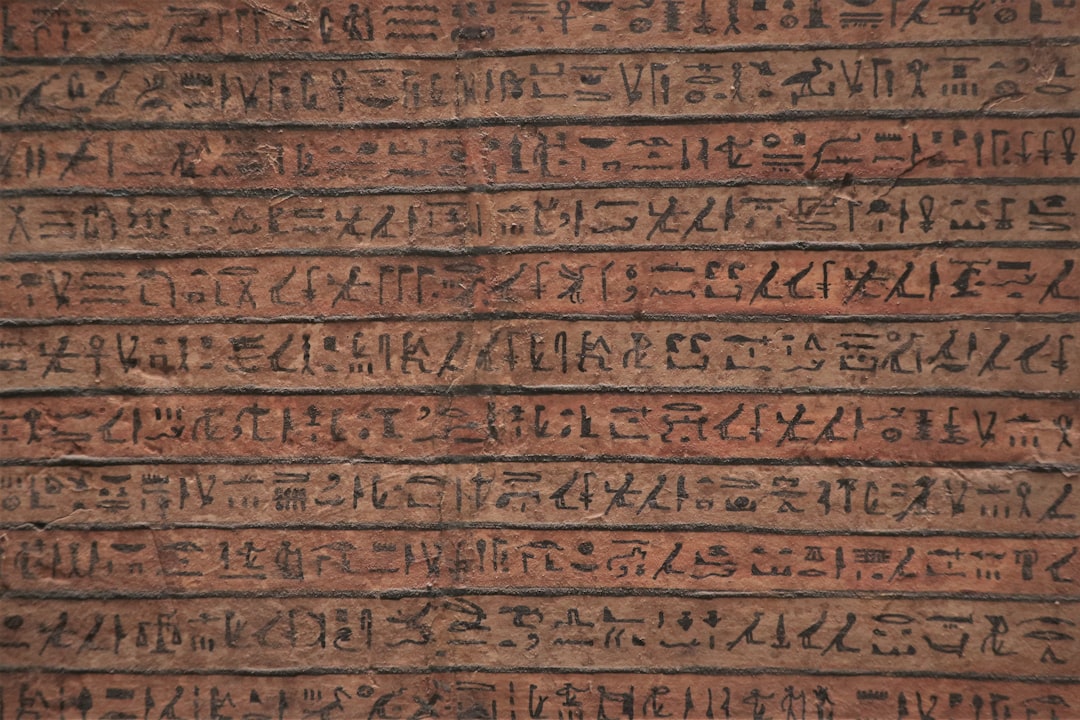
What most people do not know is that as a multi-billion dollar rocket roars off the launchpad today, its brain is running on code older than the engineers who built it.
Picture this. It is 1977, and programmers are punching holes into paper cards to tell a computer how to fly. You would think we left that technology behind with disco and rotary phones.
You are wrong. The very same lines of code written during the Carter administration are still piloting spacecraft to Mars and beyond right now. Why on Earth would space agencies trust ancient software with billions of dollars and human lives?
The Secret of Legacy Systems
We live in an era where your smartphone demands an update every two weeks. If you ignore it, apps crash. If you install it, something else breaks entirely.
But wait - if modern software is so powerful, why does every aerospace textbook still praise ancient code?
The answer comes down to a concept called heritage. In the brutal environment of space, radiation flips computer bits and extreme cold shatters metal.
You do not want a fresh, untested operating system running your life support. You want software that has survived the vacuum of space for decades without a single fatal error.
The Danger of New Updates
When you write new code, you write new bugs. It is a fundamental law of computer programming.
We have seen exactly what happens when engineers try to get too clever with space math. Just look at A $125M Math Error Hidden in Plain Sight, where a simple metric conversion failure doomed an entire Mars orbiter.
New software requires millions of hours of testing to prove it will not randomly freeze in orbit. Instead of reinventing the wheel, engineers wrap the old 1970s code in new layers of software. They call it wrapper code. The core engine remains exactly the same.
Built for the Impossible
The developers of the 1970s had severe limitations. They had mere kilobytes of memory to work with, forcing them to be absolute perfectionists.
Because of this, their code is incredibly elegant and lean. There is no bloated software taking up valuable memory. Every single line has a specific, critical purpose.
If a spacecraft experiences an error, this simple code is much easier to debug from millions of miles away. Complex modern software could lock up entirely, leaving a probe spinning helplessly in the dark.
This reliance on older, proven technology is not unique to software. Minor components often dictate the fate of massive missions, much like The 75-Cent Rubber Ring That Killed a Spaceship. When you find something that works perfectly in the deadliest environment known to man, you do not change a single thing.
The Ghosts in the Machine
So who actually maintains this ancient code today? That is becoming a massive problem for the space industry.
The original programmers are retiring or passing away. Modern computer science students learn new languages, not the obscure assembly codes running deep inside our deep space probes.
Space agencies are literally begging retired programmers to come back as highly paid consultants. They need them to decipher cryptic notes written in the margins of faded manuals from 1974.
Sometimes, a mission hangs by a thread just because nobody left alive understands a specific line of code. We saw similar near-misses with The Asteroid Mission That Died Twice, where understanding the core systems made the difference between total loss and a miraculous recovery.
Will we eventually have to write completely new software from scratch? Probably.
But for now, humanity’s greatest leap into the future is securely tethered to the past. When our first crewed mission finally touches down on Mars, will the first words spoken be transmitted by a computer program written before the invention of the internet?