
Những người quá cố đang sở hữu đất đai của bạn
Khám phá cách các nền văn minh cổ đại sử dụng nghĩa trang không chỉ để tưởng nhớ, mà như những bản khế ước sở hữu đất đai vĩnh cửu để kiểm soát người sống.
Bản khế ước bất động sản tối thượng
Những gì hầu hết mọi người coi là một nơi tưởng niệm tĩnh lặng thực chất lại là một vũ khí pháp lý sắc bén. Đó là năm 1370. Hồng Vũ Đế của Trung Hoa đang đứng trước một tấm bản đồ, đánh dấu chính xác 120 km vuông bất động sản đắc địa tại một thung lũng. Ông không xây pháo đài hay kinh đô mới. Ông đang xây một nghĩa trang.
Bằng cách đặt tổ tiên của mình vào thung lũng đó, ông đã khóa chặt vùng đất đó khỏi mọi người dân trong suốt hơn 600 năm. Bạn có thể đã nghe nói về các vị vua cổ đại xây dựng những lăng mộ khổng lồ để bảo đảm vị thế ở thế giới bên kia. Nhưng thực tế lại thực dụng hơn nhiều.
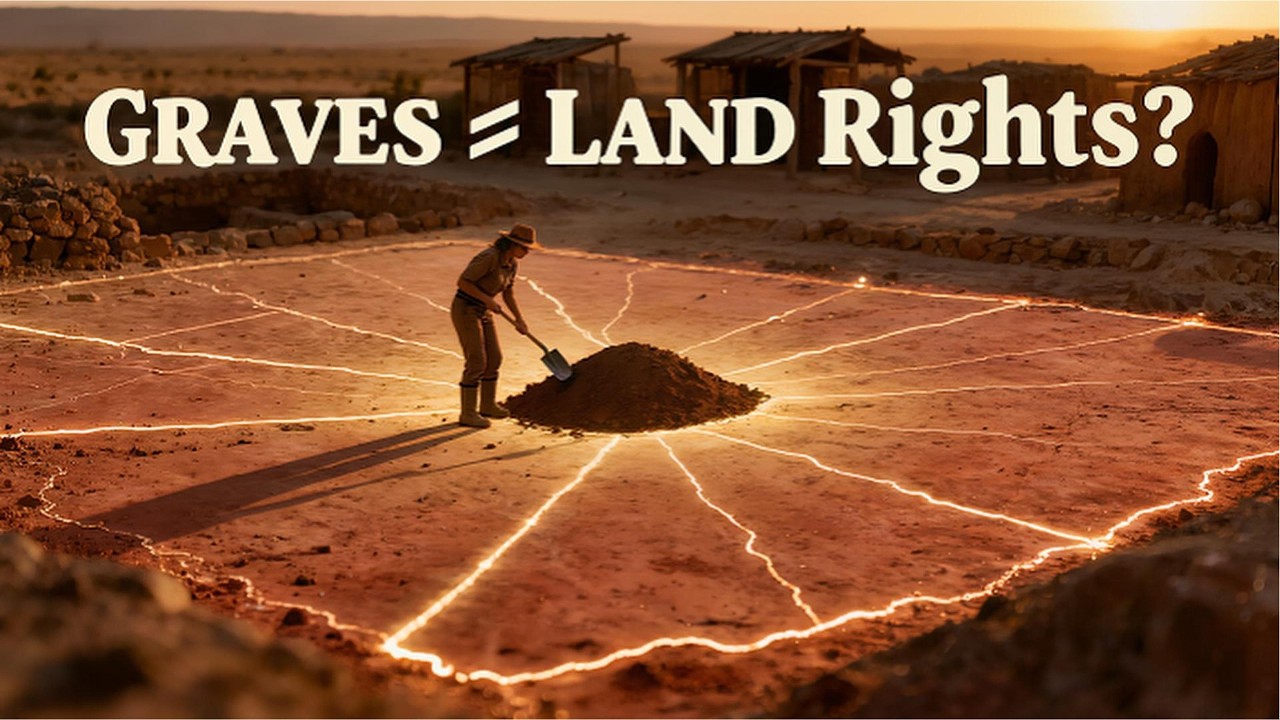
Nghĩa trang không chỉ là nơi an nghỉ. Chúng là những bản khế ước sở hữu đất đai nguyên thủy.
Một thi thể dưới lòng đất là một mỏ neo vĩnh cửu cho người sống. Đó là một “lá cờ” bằng xương thịt được cắm xuống đất. Nếu ông nội bạn nằm trong đất, mảnh đất đó thuộc về bạn.
Hình học của Quyền lực
Hãy xem xét La Mã cổ đại. Các gia đình chôn cất người chết dọc theo con đường Via Appia, tuyến giao thương giá trị nhất của đế chế. Họ không làm vậy chỉ để tưởng nhớ người thân. Họ làm vậy để đánh dấu lãnh thổ một cách vật lý.
Một lăng mộ bề thế trên một con đường sầm uất giống như một biển quảng cáo khổng lồ. Nó cho mọi thương nhân đi ngang qua biết chính xác ai là người kiểm soát khu vực kinh tế đó.
Nhìn vào châu Âu thời trung cổ. Giáo hội không chỉ kiểm soát linh hồn. Họ kiểm soát cả đất đai. Các giám mục quyết định chính xác ai được chôn cất trong phạm vi 30 mét tính từ tường nhà thờ lớn.
Vòng tròn nội vi này không chỉ là đất thánh. Nó là một bản đồ quy hoạch cho giới thượng lưu trung cổ. Nếu một gia đình quý tộc có được một khu đất cách bàn thờ đúng 5 mét, họ đã đảm bảo được tầm ảnh hưởng chính trị bất khả xâm phạm trong nhiều thế kỷ.
Hàng rào an ninh thời tiền sử
Chiến lược này có từ lâu đời hơn cả các vị vua hay giáo hoàng. Khoảng năm 4000 trước Công nguyên, các cộng đồng nông nghiệp sớm ở Tây Âu bắt đầu xây dựng những khối cự thạch khổng lồ.
Những cấu trúc này chứa những tảng đá nặng đúng 40 tấn. Việc kéo chúng đòi hỏi nỗ lực và tổ chức phi thường. Tại sao lại đầu tư toàn bộ năng lượng đó chỉ để chôn cất một vài người?
Bởi vì những lăng mộ này nằm ngay trên biên giới của những vùng đất chăn thả đang bị tranh chấp gay gắt. Chúng là những biển cảnh báo vĩnh viễn dành cho các bộ lạc đối thủ.
Một lăng mộ khổng lồ gửi đi một thông điệp rõ ràng. Nó cho thấy một bộ lạc đã ở đây qua nhiều thế hệ, và họ có đủ nhân lực khổng lồ để xây dựng một pháo đài bằng đá. Cái chết chính là đội tuần tra biên giới tối thượng.
Những “ông chủ đất” ma thời hiện đại
Chúng ta vẫn đang chơi theo đúng những quy luật này ngày nay. Ở các thành phố như London và New York, người chết đang chiếm giữ một số bất động sản đắt đỏ nhất hành tinh.
Nghĩa trang Highgate ở London chứa 170.000 thi thể trên 37 mẫu Anh đất đô thị cao cấp. Người sống bị nhồi nhét trong những căn hộ nhỏ hẹp, đắt đỏ. Trong khi đó, người chết nằm nghỉ trong những công viên xanh trải dài mà các nhà phát triển bất động sản không thể chạm tới về mặt pháp lý.
Việc đặt một tấm bia mộ là cách nền văn minh nói rằng “đây là của tôi”. Đó là một hình thức xác lập quyền sở hữu đất đai tồn tại lâu hơn cả các đế chế, chính phủ và thậm chí cả các loại tiền tệ hiện đại.
Người chết là những chủ đất duy nhất không bao giờ bán, không bao giờ di dời và không bao giờ nộp thuế. Khi bạn đi ngang qua một nghĩa trang, bạn không chỉ đang nhìn vào lịch sử. Bạn đang nhìn vào một bản đồ quyền lực vẫn đang tích cực định hình thế giới của chúng ta.
Ai thực sự sở hữu mảnh đất dưới chân bạn?